
Barley Grass Powder Benefits: What It Actually Does (and Doesn't Do)
Tim GoodwinWe’ve all heard it since we were kids.
“Eat your greens.”
So we try.
We buy bags of spinach with good intentions. We order the salad instead of the sandwich. We throw kale into a blender and hope for the best.
And yet… We still feel sluggish. Still feel bloated. Still hit that mid-afternoon energy dip.
For something that’s meant to make us feel healthier, eating more greens often feels like hard work with very little payoff.
The problem isn’t vegetables.
And it’s definitely not you.
The real issue comes down to one simple idea.
Absorption.
Humans Are Not Cows (And That Matters)
Cows are incredible at one thing.
They can eat grass all day and turn it into fuel.
They can do this because they have four stomachs, designed specifically to break down tough plant fibres like cellulose.
Humans don’t.
We have one stomach. One shot at digestion. And a digestive system that struggles with large amounts of raw, fibrous plant material.
When you eat big bowls of raw greens, your body has to work very hard just to break them down.
That effort costs energy.
And if digestion isn’t efficient, you may end up with:
- Bloating
- Heaviness
- Gas
- Feeling tired instead of energised
You get the discomfort, but miss out on a lot of the nutrition.
That’s the Human Cow Paradox.
We eat like herbivores, but digest like humans.
The Rule of One: It’s Not What You Eat, It’s What You Absorb
This is where most nutrition advice goes wrong.
It focuses on what to eat, not what your body can actually use.
You can eat the healthiest foods in the world. But if your body can’t break them down properly, they don’t do much for you.
That’s why absorption matters more than volume.
And it’s exactly where barley grass powder comes in.
What Is Barley Grass Powder (And What It Is Not)
Let’s clear something up early, because this matters.
Barley grass powder is not the same thing as barley grass juice powder.
They are made differently. They behave differently in the body. And they suit different people.
Barley grass powder is made by:
- Harvesting young barley leaves before the grain forms
- Drying them carefully
- Grinding the whole leaf into a fine powder
That means you get the whole plant material, including its natural fibre, enzymes, chlorophyll, vitamins, and minerals.
Barley grass juice powder, on the other hand, removes the fibre and concentrates only the juice.
That’s not what this article is about.
Everything here refers specifically to whole barley grass powder.
Why Young Barley Grass Is Different From Mature Greens
Timing is everything.
Barley grass is harvested when the plant is still young and tender.
At this stage, the leaves are:
- Nutrient dense
- Easier to break down
- Lower in harsh, woody fibre
This makes barley grass powder very different from mature leafy greens or dried “hay-like” grasses.
When processed properly, it delivers nutrients in a form your body can handle more easily.
That’s why people talk about barley grass powder benefits in the first place.
How Barley Grass Powder Fits Real Life
One of the biggest reasons people give up on “healthy eating” is friction.
It’s time-consuming. It’s messy. It’s inconsistent.
Barley grass powder removes a lot of that friction.
You’re not trying to chew through piles of raw greens. You’re not forcing yourself to enjoy a salad you don’t want. You’re not blending five ingredients every morning.
You’re getting a concentrated source of greens in seconds.
That’s the difference between knowing what to do, and actually doing it.
The Core Barley Grass Powder Benefits (Without the Hype)
Let’s talk about what barley grass powder is known for, in plain language.
No miracle claims. No detox drama. Just realistic support for everyday wellbeing.
A Natural Source of Micronutrients
Barley grass powder naturally contains vitamins like A, C, and E, along with minerals such as magnesium and iron.
Because these nutrients come from a real plant, they’re delivered in a form your body recognises.
Many people prefer this to synthetic multivitamins, which often pass straight through the body.
Enzymes That Support Digestion
One often overlooked benefit of barley grass powder is its enzyme content.
Enzymes help break food down.
When your body doesn’t have to work as hard to digest meals, many people report feeling lighter and less uncomfortable after eating.
That’s one reason barley grass powder is often described as “easier” than raw greens.
Chlorophyll Content
Barley grass is naturally rich in chlorophyll, the pigment that gives plants their green colour.
Chlorophyll plays a role in supporting normal bodily processes and is often associated with freshness and vitality.
It’s one of the reasons people say they “feel better” when greens become a regular habit.
Supports a More Balanced Diet
Barley grass powder isn’t meant to replace vegetables.
It’s designed to support the gaps that show up in real life.
Busy mornings. Rushed lunches. Evenings where convenience wins.
Used consistently, it helps people feel more “covered” nutritionally without trying to be perfect.
Table 1: Human Clinical Trials (Oral Barley Grass Powder)
| Full Study Citation | Study Details | Significant Findings (Within vs. Between Group) | Conclusions |
|---|---|---|---|
|
Fujii A, et al. (2023) Jpn Pharmacol Ther 2023; 51(7): 1053-1060 (Note: JPT is a peer-reviewed Japanese journal; link directs to journal index or similar record) |
Design: RCT, Double-Blind, Placebo-Controlled. N: Healthy adults. Dose: Barley leaf powder (standardized intake). Duration: 8 weeks. |
Between Group: Significant increase in salivary sIgA secretion rate (p<0.05). Between Group: Significant improvement in stratum corneum water content (skin hydration). Subjective: Improved "physical condition" scores. |
Oral intake of barley grass powder enhances mucosal immune defense (sIgA) and improves skin barrier hydration in healthy subjects. |
|
Matsuoka N, et al. (2021) Jpn Pharmacol Ther 2021; 49: 1681-1688 |
Design: RCT, Double-Blind, Placebo-Controlled. N: 60 Healthy adults. Dose: Young barley leaf powder (providing ~0.7g dietary fiber/day). Duration: 4 weeks. |
Between Group: Significant improvement in gut microbiome diversity. Within Group: Improved fecal characteristics and subjective "physical condition" scores. |
Daily consumption modulates the gut environment, supporting microbiome diversity and general physical well-being. |
|
Takano A, et al. (2013) Evid Based Complement Alternat Med. 2013:137871 |
Design: RCT, Double-Blind, Placebo-Controlled (Crossover). N: Healthy volunteers with high-normal glucose. Dose: Barley leaf powder (BLP) containing insoluble fiber. Duration: Single meal challenge. |
Between Group: Suppressed the increment of postprandial blood glucose levels (P<0.01) compared to placebo. Mechanism: Increased digesta viscosity. |
Insoluble fiber in barley grass suppresses blood sugar spikes after eating, particularly in those with higher baseline levels. |
|
Yu YM, et al. (2002) Diabetes Metab. 2002;28(2):107-14 |
Design: Open-label intervention. N: 36 Type 2 Diabetic patients. Dose: 15g/day Barley Leaf Extract. Duration: 4 weeks. |
Within Group: Significantly reduced LDL oxidation lag time. Within Group: Scavenged oxygen free radicals (reduced blood ROS). Within Group: Reduced Total Cholesterol and LDL-C. |
Supplementation inhibits LDL oxidation (a key cardiovascular risk factor) and acts as a potent free radical scavenger in humans. |
|
Yu YM, et al. (2004) Biol Pharm Bull. 2004;27(6):802-5 |
Design: Controlled intervention. N: Hyperlipidemic smokers. Dose: 15g/day Barley Leaf Extract. Duration: 4 weeks. |
Within Group: Significant decrease in plasma Total Cholesterol and LDL-C. Within Group: Prolonged LDL oxidation lag time. |
Confirms antioxidative and lipid-modulating effects in a high-oxidative-stress population (smokers). |
Why Barley Grass Powder Can Feel Easier on the Stomach
A lot of people give up on greens because of how they feel after taking them.
Bloating. Heaviness. Regret.
When barley grass powder is sourced and processed properly, it tends to be gentler than:
- Large amounts of raw vegetables
- Cheap, mature grass powders
- Poorly milled greens
The key is quality and formulation.
Not all barley grass powders are created equal.
The Cheap Powder Problem (And Why It Matters)
If barley grass powder is so useful, why do so many people have bad experiences with greens powders?
It usually comes down to one thing.
Cheap sourcing.
Many low-cost products use:
- Over-mature grass
- Whole stalks instead of tender leaves
- Poor drying methods
- Rough milling
The result is something closer to powdered hay than a usable nutritional ingredient.
Your gut notices the difference.
Taste: The Hidden Reason Most Greens Fail
Let’s be honest.
Taste matters.
You can talk about nutrition all day, but if something tastes like lawn clippings, you won’t stick with it.
Most people don’t quit greens because they “don’t work”.
They quit because they’re unpleasant.
Consistency beats intensity every time.
That’s why the best barley grass powder products don’t rely on willpower alone.
Why Barley Grass Powder Works Best as Part of a Blend
On its own, barley grass powder is useful.
But on its own, it’s incomplete.
Greens support balance. But the body also needs:
- Structural support
- Protein-based building blocks
- Help with energy availability
This is where most single-ingredient powders fall short.
They expect you to stack products, measure scoops, and build a routine around supplements.
Real life doesn’t work like that.
The “Too Many Tubs” Problem
If you’ve ever tried to “do supplements properly”, you’ll recognise this.
One powder for greens. Another for collagen. Another for energy. Something else for digestion.
It quickly becomes a cupboard full of half-used tubs.
The intention is good. The execution fails.
A Simpler Approach: One Daily Habit
The most effective nutrition habits share one thing.
They’re easy enough to repeat.
That’s the thinking behind Collagen Greens from Lean Greens.
Instead of selling barley grass powder on its own, it’s combined into a formulation designed for real people.
Why Collagen Greens Includes Barley Grass Powder
Barley grass powder forms part of the greens base in Collagen Greens.
It’s there to provide:
- Plant-based micronutrients
- Chlorophyll-rich greens
- Gentle fibre from whole leaves
But it doesn’t work alone.
It’s supported by other ingredients that make the whole thing easier to use consistently.
Greens Plus Structure Plus Energy
Collagen Greens combines:
Greens Including barley grass powder, wheatgrass, spirulina, spinach, and broccoli.
Collagen Peptides To support the body’s structural needs as part of everyday wellbeing.
Creatine Monohydrate Included to support normal energy availability, especially for busy days and mental fatigue.
Digestive Enzymes Added to help the body break everything down more comfortably.
Everything is there for a reason.
Nothing is there for hype.
Designed for Absorption, Not Just Labels
A long ingredient list looks impressive.
But if the formulation doesn’t digest well, it doesn’t matter.
Collagen Greens is designed to mix easily, digest comfortably, and fit into a simple daily routine.
No complicated prep. No blender required. No “pond water” experience.
Just a quick mix with cold water.
Why Simplicity Wins Long Term
Health doesn’t fail because people don’t care.
It fails because life gets busy.
The products that work long term are the ones that respect that.
Barley grass powder works best when it’s part of something you’ll actually use.
That’s the real lesson behind all the research and all the claims.
The Bottom Line on Barley Grass Powder Benefits
Barley grass powder isn’t magic.
But when it’s:
- Harvested young
- Properly processed
- Combined thoughtfully
It becomes a powerful way to support everyday nutrition without adding stress.
You don’t need to eat like a cow. You don’t need to live on salads. You don’t need perfection.
You just need something that fits real life.
The 30-Second Option That People Actually Stick With
If you’re curious about barley grass powder benefits, but tired of complicated routines, Collagen Greens was built for you.
It brings barley grass powder together with supportive ingredients in a way that’s:
- Easy
- Consistent
- Designed for humans, not influencers
One scoop. Cold water. Thirty seconds.
That’s it.
[Shop Collagen Greens and Make Nutrition Easier to Stick To]
Barley grass, often overshadowed by more popular superfoods, is a powerhouse of nutrition and health benefits waiting to be recognised. This humble grass, which is the young leaf of the barley plant, has been a staple in human diets for thousands of years. Its use dates back to ancient civilisations, yet in modern times, it has not received the spotlight it deserves. This article aims to unveil the myriad of benefits that barley grass offers, presenting it as more than just a simple grain.
Barley grass is packed with an impressive nutritional profile. It's a rich source of vitamins, minerals, antioxidants, and other beneficial compounds. It is most useful understood as a concentrated green leaf: a convenient way to get one into a diet short of them. The versatility of barley grass in various diets and its ease of incorporation into daily meals make it an accessible superfood for everyone.
In this exploration, we will delve into what exactly barley grass is and how it stands out from other parts of the barley plant. We will dissect its nutritional makeup, highlighting the key components that contribute to its superfood status. The article will also cover the extensive health benefits of barley grass, supported by scientific research and traditional practices. Additionally, we will provide practical tips on how to integrate barley grass into your diet and discuss any potential side effects or considerations to keep in mind.
As we journey through the world of barley grass, prepare to discover an underestimated superfood that could be a game-changer for your health and wellness routine.
What is Barley Grass?
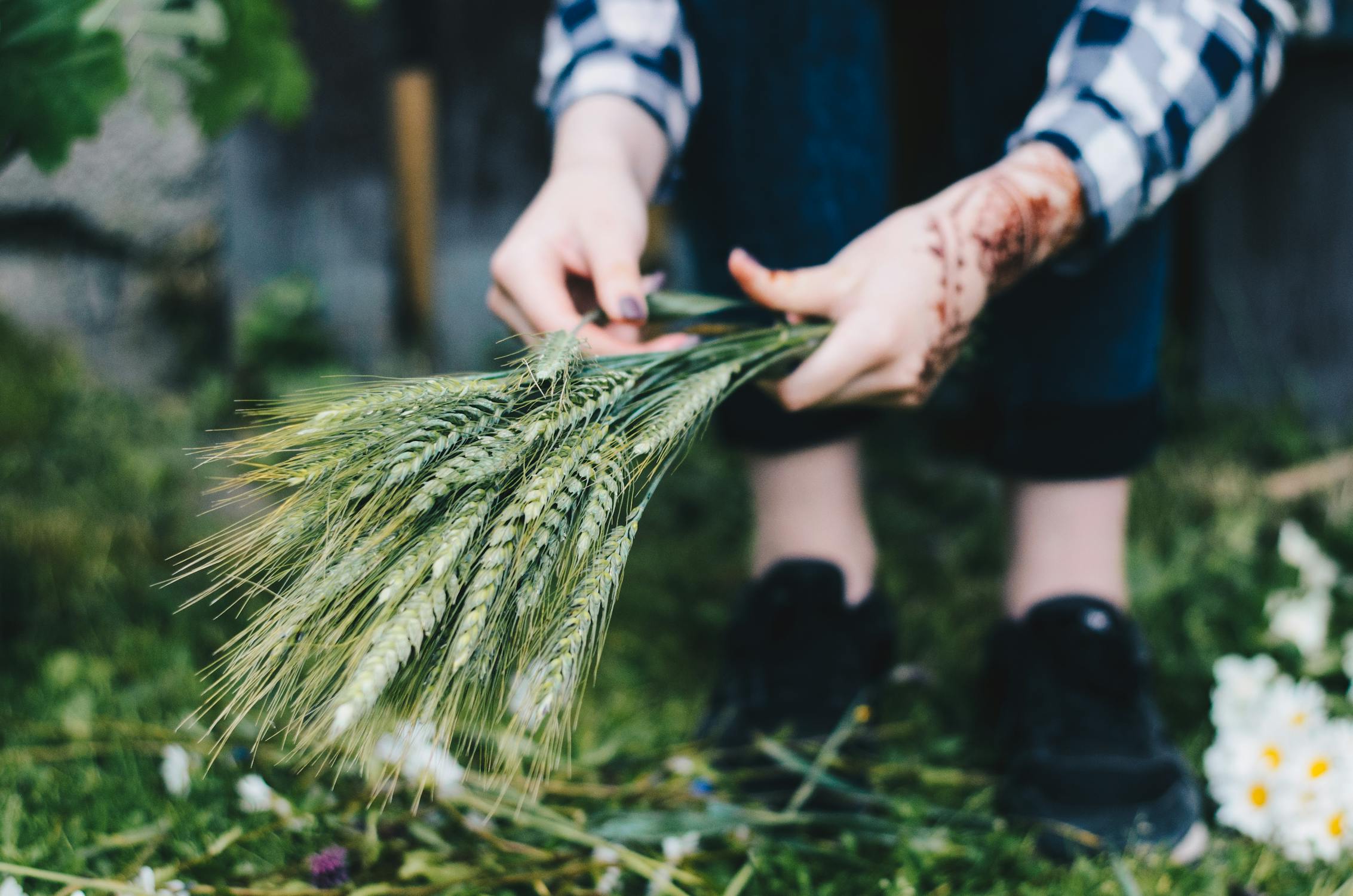
Barley grass is the young, soft green shoots that emerge from the barley plant, scientifically known as Hordeum vulgare. This grass sprouts from the barley grain, one of the oldest cultivated grains in the world, and is harvested before the grain begins to develop. At this stage, the grass is at its nutritional peak, brimming with a range of health-promoting substances.
Distinct from the barley grain, which is commonly used in brewing and as a cereal grain, barley grass is more akin to a green leafy vegetable in its nutrient profile. It is a treasure trove of vitamins, including vitamin C, vitamin A, and vitamins B1, B2, B3, B6, and B12. It's also rich in minerals like calcium, iron, magnesium, and potassium. The grass contains powerful antioxidants, essential amino acids, and beneficial enzymes. Notably, it is a fantastic source of chlorophyll, a compound that gives plants their green colour and is known for its health benefits.
Barley grass is available in various forms, such as fresh juice, powder, or tablets, making it a versatile addition to any diet. Its nutritional composition positions it as a superfood, offering a wide array of benefits for overall health and well-being.
Nutritional Breakdown of Barley Grass

Barley grass stands out in the realm of superfoods due to its comprehensive nutritional profile. This section delves into the specifics of what makes barley grass a nutritional powerhouse, providing a detailed analysis of its constituent vitamins, minerals, and other beneficial compounds.
Vitamins and Minerals: Barley grass is a rich source of various vitamins, including Vitamin A, C, E, and K, along with a full spectrum of B vitamins. These vitamins play crucial roles in maintaining bodily functions, from supporting immune health to enhancing skin and vision. The grass is also abundant in essential minerals such as calcium, which is vital for bone health; iron, crucial for blood health; magnesium, important for muscle function and nervous system health; and potassium. Bear in mind that a greens-powder serving is small, so these are present in modest amounts rather than the levels that would carry an authorised nutrient claim.
Antioxidants and Enzymes: One of the most notable aspects of barley grass is its high antioxidant content. It also contains superoxide dismutase, beta-carotene and flavonoids. The presence of enzymes, including cytochrome oxidase, peroxidase, and transhydrogenase, aids in enhancing the body's metabolic processes.
Chlorophyll and Amino Acids: Barley grass is an excellent source of chlorophyll, the pigment that gives it its colour. Additionally, it contains all eight essential amino acids, making it a complete protein source. These amino acids are crucial for building and repairing tissues, and they play a vital role in various metabolic processes.
Fibre and Other Nutrients: The high fibre content in barley grass aids in digestion and helps maintain a healthy gut. It also contains beta-glucans, a soluble fibre, and polysaccharides.
What Barley Grass Actually Contains
Barley grass is the young leaf of the barley plant, harvested before the grain forms and dried. As a dried green leaf it contributes chlorophyll, plant fibre, and a range of naturally occurring vitamins and minerals — in the amounts you would expect from a couple of grams of dried leaf, which is to say modest ones.
That last point is worth being blunt about, because most writing on this ingredient is not. A greens powder serving is small. Where a nutrient reaches 15% of its Nutrient Reference Value, UK rules permit a specific authorised claim about that nutrient — and the honest position for an unfortified wholefood greens blend is that most do not reach it. We do not add synthetic vitamins or minerals to push them over that line, which is a deliberate choice about purity, not a claim about potency.
No health claim for barley grass is authorised in Great Britain. It is a food. It is not a treatment for any condition, it does not detoxify anything, and it is not a weight-loss product. Any page telling you otherwise — including older versions of this one — is making a claim it is not entitled to make.
What it is good for is unglamorous and real: it is a convenient way to get a concentrated green leaf into a diet that is probably short of them, without cooking anything.
Free tool · 60 seconds
How close to 5-a-day are you actually?
Six questions about what you really eat in a normal day. You get an honest portion score at the end — most people guess high.
- Six questions, and the score costs you nothing
- Counted against the NHS 5-a-day guideline
- A plain plan to close the gap, if you want it
How to Incorporate Barley Grass into Your Diet

Incorporating barley grass into your diet is a straightforward and versatile process. Barley grass is available in several forms, each offering unique ways to include it in your diet:
- Powder: Barley grass powder is perhaps the most versatile form. It can be easily mixed into smoothies, juices, or even plain water. The powder can also be sprinkled over salads or added to soups and stews.
- Juice: Fresh barley grass juice is another popular option. It's often consumed on its own as a shot or mixed into other vegetable and fruit juices for an extra nutrient boost.
- Tablets or Capsules: For those who prefer a more convenient option, barley grass tablets or capsules are available. These can be taken with water, making them a good choice for busy lifestyles.
Recipes and Ideas:
- Smoothies: Blend barley grass powder with fruits like bananas, berries, or mangoes for a nutritious and delicious smoothie.
- Juices: Mix barley grass juice with carrot, apple, or cucumber juice for a refreshing and healthful drink.
- Salads: Sprinkle barley grass powder over your salads for an extra dose of nutrients.
- Soups and Stews: Add barley grass powder to soups and stews for enhanced flavour and nutrition.
Daily Recommended Intake and Best Times to Consume:
- There is no fixed recommended daily intake for barley grass, but starting with a small amount, such as one teaspoon of powder or one shot of juice, is advisable. Gradually increase the quantity as your body adjusts.
- Consuming barley grass in the morning can provide a refreshing and energising start to the day. However, it can be taken at any time, depending on personal preference and convenience.
Combining with Other Foods:
- Barley grass pairs well with other superfoods like spirulina or chlorella. When combined in a smoothie or juice, these superfoods can enhance each other's health benefits.
- It's also beneficial to combine barley grass with foods high in vitamin C, like citrus fruits, to improve iron absorption.
Incorporating barley grass into your diet is easy and beneficial. Whether you choose to consume it as a powder, juice, or tablet, there are numerous ways to enjoy this superfood.
Potential Side Effects and Considerations
While barley grass is generally safe and beneficial for most people, it's important to be aware of potential side effects and considerations.
Allergic Reactions: Individuals with a known allergy to cereal grains, especially barley, should avoid barley grass. Symptoms of an allergic reaction may include itching, swelling, and difficulty breathing.
Gluten Sensitivity: Although barley grass itself is gluten-free, there can be a risk of contamination with gluten if it's processed in facilities that also handle barley grains. People with celiac disease or gluten sensitivity should opt for certified gluten-free products.
Interaction with Medications: Barley grass may interact with certain medications, such as blood thinners, due to its vitamin K content. It's advisable to consult with a healthcare provider before adding barley grass to your diet if you are on medication.
Pregnancy and Breastfeeding: There is limited research on the effects of barley grass during pregnancy and breastfeeding. As a precaution, pregnant or breastfeeding women should consult a healthcare professional before consuming barley grass.
While barley grass is a nutritious addition to most diets, it's crucial to consider these potential side effects and consult with a healthcare professional if you have specific health concerns or conditions.
Comparison with Other Superfoods
Barley grass holds its own in the superfood arena, often compared to other green superfoods like wheatgrass and spirulina.
Barley Grass vs. Wheatgrass: Both are rich in nutrients and antioxidants, but barley grass has a higher nutritional diversity. It contains more calcium, iron, and all eight essential amino acids, making it a more complete protein source. Wheatgrass, however, is known for its higher chlorophyll content.
Barley Grass vs. Spirulina: Spirulina is a blue-green algae renowned for its protein content and unique nutrients like gamma-linolenic acid (GLA). Barley grass, while having a lower protein content, offers a broader range of vitamins and minerals. It's also higher in dietary fibre, which is beneficial for digestive health.
While each superfood has its strengths, barley grass's comprehensive nutrient profile and wide-ranging health benefits make it a standout choice. Its versatility in diet incorporation also adds to its appeal, making it a valuable addition to any health-conscious individual's diet.
Conclusion: Barley Grass The Superfood
Barley grass is a remarkable and underestimated superfood that offers a wealth of health benefits. Its rich nutritional profile, encompassing a wide range of vitamins, minerals, antioxidants, and enzymes, positions it as a powerful ally in promoting overall health and well-being. From supporting cardiovascular health to enhancing digestion, and boosting immunity, barley grass is a versatile and potent natural remedy. Its ease of incorporation into daily diets further enhances its appeal. As we continue to explore and understand the full scope of its benefits, barley grass undoubtedly deserves a prominent place in our nutritional repertoire.
Discover the power of barley grass and other superfoods with Lean Greens' range of products, including our signature Super Greens Powder – perfect for enhancing your health and well-being.
Further Reading
For further reading and to complement the information provided in the article, here are some valuable resources that delve deeper into the health benefits and nutritional aspects of barley grass:
- Health Benefits of Barley Grass - WebMD - This resource provides an overview of the nutrients per serving of barley grass and its health benefits.
- Barley Grass: Benefits, Uses, and Precautions - Healthline - Healthline offers a comprehensive guide on the benefits, uses, and precautions of barley grass, including its nutritional value and impact on health.
- Preventive and Therapeutic Role of Functional Ingredients of Barley Grass - NCBI - This scientific article discusses the functional ingredients of barley grass and their preventive and therapeutic roles, particularly focusing on its nutritional components and health benefits.
- Barley Grass Nutrition Facts and Health Benefits - Verywell Fit - Verywell Fit provides detailed nutrition facts and explores the health benefits of barley grass, offering insights into its dietary value.