How To Increase Your Vitamin D Levels


With 1 in 5 of us deficient in Vitamin D, year-round supplementation is recommended for those most at risk.
You might have heard about Vitamin D and its health benefits recently.
There's been a lot more mentioned in our media than ever before, despite it commonly being associated with just the winter months when there's less sunshine.
In research published in January 2019 by Mintel, Vitamin D has overtaken Vitamin C as the UK's most widely used vitamin. ☀️
Britain’s top five single vitamin supplements (based on sales) are:
- Vitamin D (33%)
- Vitamin C (27%)
- Vitamin B complex (15%)
- Vitamin A (12%)
- Vitamin E (10%)
With the recent global health crisis, the use of Vitamin D is set to soar further, with Vit D's immune response benefits being brought to many people's attention.
Where Does Our Body Get Vitamin D?
Our body doesn't produce Vitamin D for itself, so we have to get it from our diet, supplementation or our environment.
Here are the most common sources of this essential vitamin.
Sunshine
The most common source of Vitamin D for our body is our exposure to the sun. You don't need much. A 30-minute period of midday sun a number of times a week will give you plenty.
You do need to be outside, not in the shade.
You also need to have some skin exposed. So your face, arms, hands and legs ideally.
Obviously, this becomes more challenging during the winter months to be consistent. Especially in colder climates.
Red Meat & Fish
One of the best food sources of Vitamin D is our consumption of fish and red meat.
Obviously, there is much discussion about the health pros and cons of red meat consumption, but Vitamin D is undeniably a benefit to eating a lump of steak. There is some discussion about the increase in Vitamin D deficiency in our population, with more of an uptake of non-meat-based diets.
There are fish such as Mackerel and Salmon, which are a good substitute for those sworn-off red meat if you're looking for a diet-based approach to increasing your Vitamin D levels.
Eggs
With 81 IU's of Vitamin D per egg, you're not going to get Vitamin D solely from this source. But it can potentially be part of your overall strategy to increase levels in your body.
Don't forget eggs are a fantastic source of protein and high-quality dietary fats as well as many essential vitamins and minerals.
Eggs truly are the original superfood!
Supplements
With the limited options above, many people do choose to supplement their vitamin D intake with products like Amber Boost (we'll tell you more about this below)
It's a convenient way to give yourself a boost, without having to worry about getting a daily dose of sunshine (although that does come with other benefits), or having to consume specific foods.
This method is especially useful for vegetarians and certain vegans who'd not normally get the benefit from their diets.
What is Vitamin D?
OK, beware of the next paragraph this is where we get nerdy. Don't worry it's not so important to know what Vitamin D is, more important to know what it does for your body.
Vitamin D is a group of fat-soluble secosteroids 🤮 responsible for increasing intestinal absorption of calcium, magnesium, and phosphate, and many other biological effects.
In humans, the most important compounds in this group are vitamin D3 and vitamin D2.
Now that's out of the way let's discover why Vitamin D is so important!
Why Do We Need Vitamin D? - Benefits of Vitamin D
Vitamin D helps regulate the amount of calcium and phosphate in the body.
These nutrients help keep the following healthy 👇🏻
BONES - vitamin d helps regulate calcium and phosphate in the body
MUSCLES - vitamin d helps keep your teeth healthy
TEETH
How Much Vitamin D Do We Need Each Day?
The NHS recommends the following:
- Babies up to the age of 1 year need 8.5 to 10 micrograms of vitamin D a day.
- Children from the age of 1 year and adults need 10 micrograms of vitamin D a day. This includes pregnant and breastfeeding women and people at risk of vitamin D deficiency.
From about late March/early April to the end of September, the majority of people should be able to get all the vitamin D they need from sunlight on their skin.
Most commonly you'll see capsule/tablet dosages of 1000 IU on supplement labels.
The recommended upper daily limit of Vitamin D is 4000 IU.
Amber Boost - with a Daily Dose Of Vitamin D
Our Amber Boost contains a daily dose of Vitamin D3 as well as the well-known spice Turmeric.
Turmeric unfortunately get's a little complicated to talk about, as there are few fully approved health claims. But for more information on why you should supplement turmeric, click here 👇🏻
Amber Boost is vegetarian-friendly, and for dietary vegans, it's fine too.
If you're an ethical vegan then it is not suitable as the Vitamin D3 source is from sheep's wool.
Each capsule of Amber Boost contains the following ingredients:
- Vitamin D3 - 5mg (offering 1000 IU of Vit D3)
- Turmeric Powder - 600mg
- Black Pepper Extract (Piperine) - 5.25mg We recommend two capsules per day for optimum Vitamin D supplementation.


Reduce Bloating: How Superfoods Can Aid Digestive Comfort
Bloating, a common digestive issue, affects many individuals worldwide. Characterised by a feeling of fullness, tightness, or swelling in the abdomen, bloating can be both uncomfortable and distressing. While it's often a result of overeating or consuming certain foods that the body finds hard to digest, bloating can also be a symptom of various underlying health conditions. It's a physical discomfort that can also impact one's self-esteem and quality of life.
Read More
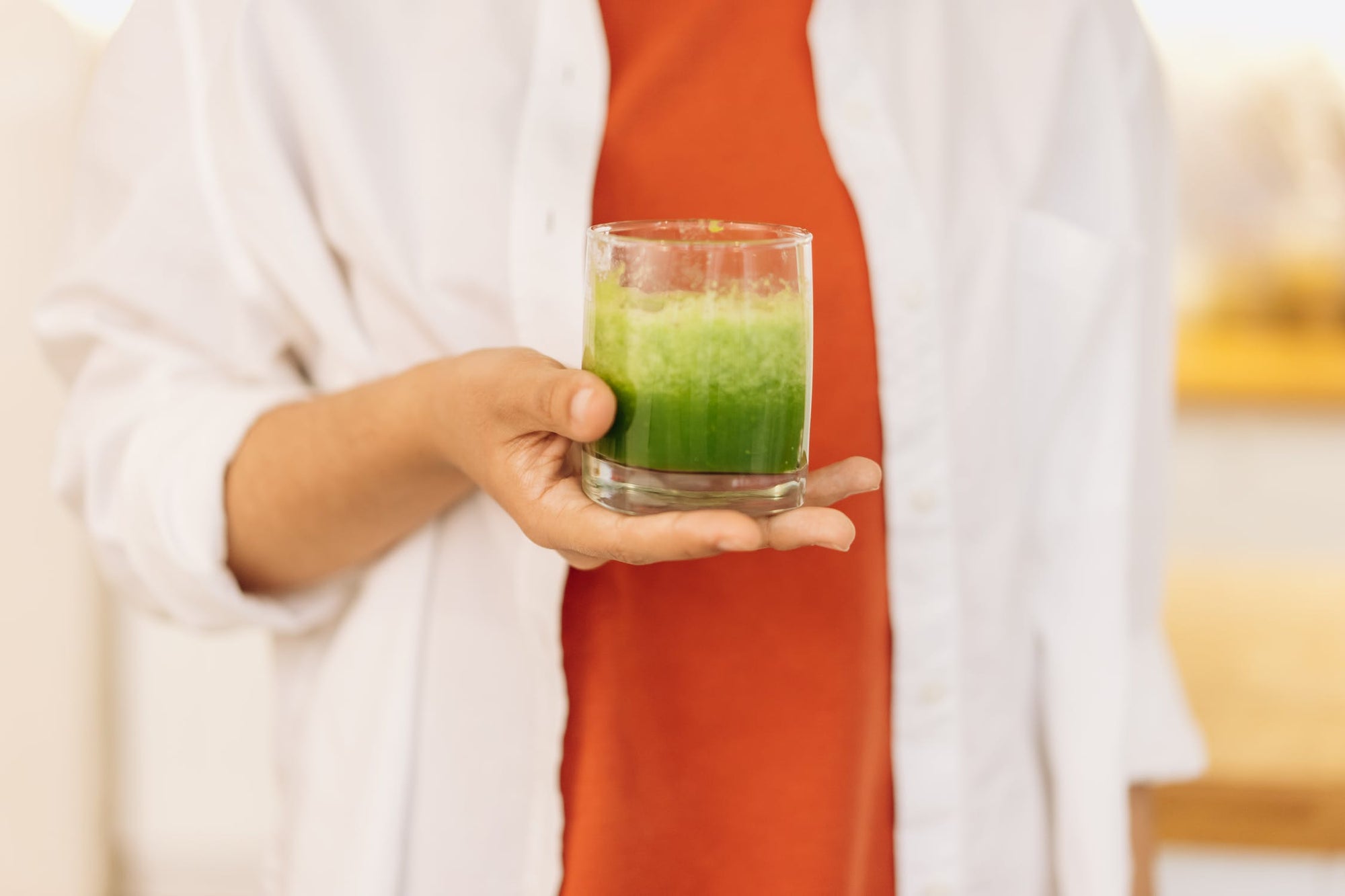
Green Smoothie Recipes: Incorporating Superfoods for a Health Boost
Green smoothies are more than just a health trend; they are a powerful way to enhance your daily nutrition and overall well-being. At the heart of these vibrant drinks are leafy greens – packed with essential vitamins, minerals, and fibre – blended into a convenient and delicious form. But what elevates a green smoothie from merely nutritious to a powerhouse of health? The answer lies in the incorporation of superfoods.
Read More
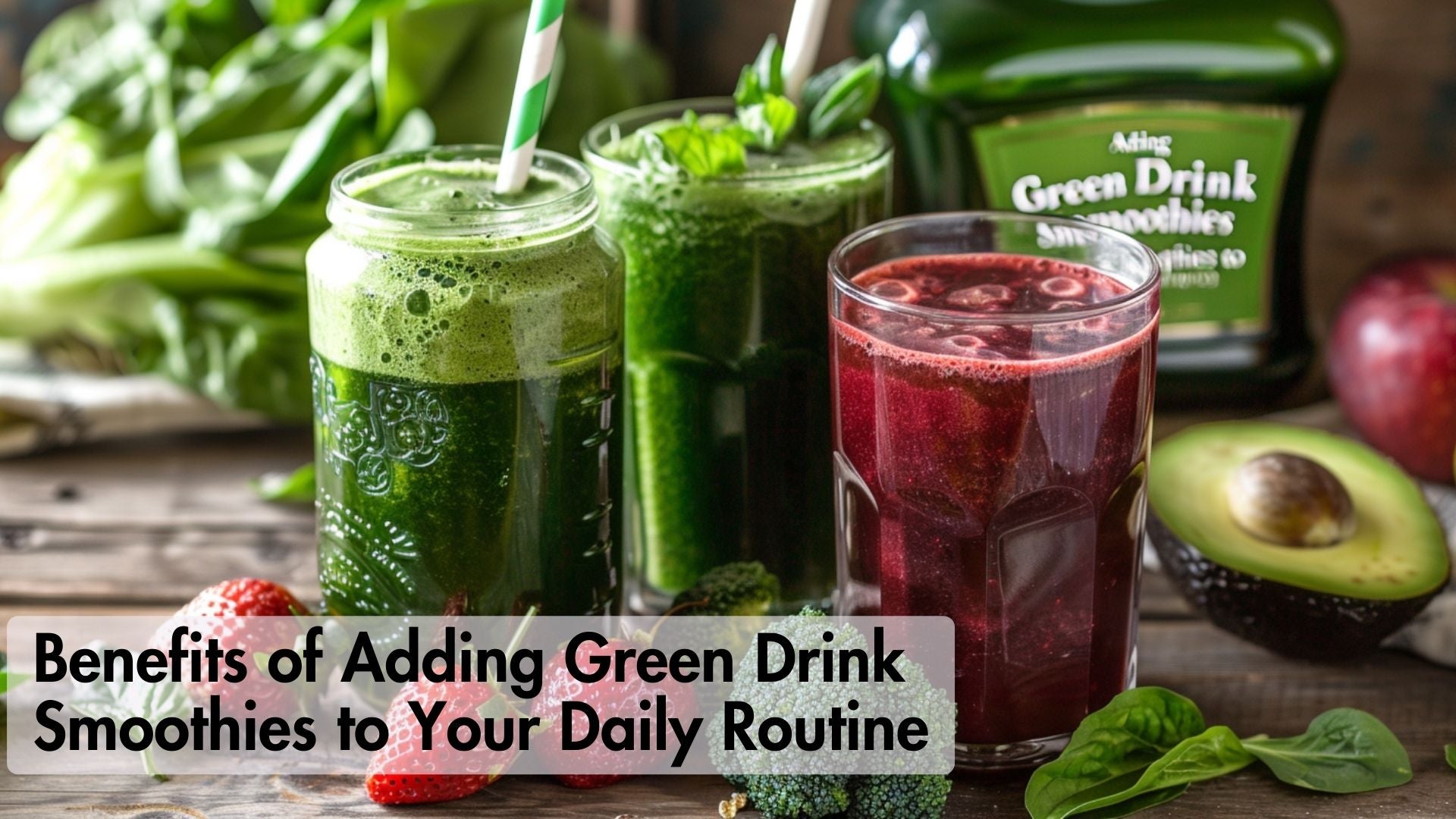
Discover the Benefits of Adding Green Drink Smoothies to Your Daily Routine
Discover the benefits of adding green drink smoothies to your daily routine. Enhance your health and well-being with nutrient-rich beverages that improve digestion, boost energy levels, and support weight management. Start your journey to better health with Lean Greens today.
Read More