Why Am I Bloated All the Time Lately? Expert Tips to Reduce Bloating
Feeling full and swollen after eating is common. Bloating affects many people, making daily life hard. It's frustrating and worrying when it happens often.

Bloating isn't just about feeling self-conscious. It can also mean there's a health problem. We'll look at why bloating happens and how to feel better. This will help you feel more at ease with yourself.
Key Takeaways
- Understand the common causes of bloating
- Learn simple dietary changes to reduce bloating
- Discover effective lifestyle adjustments for a flatter stomach
- Explore stress management techniques to alleviate discomfort
- Identify when to seek medical advice for persistent bloating
Understanding Bloating: The Basics
Bloating is a common problem that makes many people feel uncomfortable. It's when you feel full or tight in your tummy. Knowing what causes bloating helps us find ways to feel better.
What Is Bloating?
Bloating makes your tummy feel full or tight. It can also make it look bigger. This happens when your body holds onto too much water or gas in your stomach. We'll look at why this happens, like what you eat, health issues, and how you live.
Common Symptoms of Bloating
People with bloating might feel full, have tummy pain, hear rumbling sounds, or fart a lot. Let's dive into these symptoms:
| Symptom | Description |
|---|---|
| Feeling of Fullness | A feeling of being uncomfortably full, even after eating a small amount of food. |
| Tummy Pain | Discomfort or pain in the abdominal area, ranging from mild to severe. |
| Rumbling or Noises | Loud or unusual noises coming from the abdomen, often due to gas movement. |
| Excessive Farting | Passing gas more frequently than usual, which can be embarrassing and uncomfortable. |
Spotting these signs is the first step to tackling bloating. By knowing what bloating is and its signs, we can start looking into why it happens and how to feel better.
Potential Causes of Chronic Bloating
Bloating is a common issue. It can come from what we eat, our health, and our daily habits. Knowing these factors helps us manage and reduce bloating.
Dietary Factors
Our diet affects bloating a lot. Foods high in salt, sugar, and unhealthy fats can cause water retention and gas. Foods that are hard to digest, like beans and cabbage, can also cause bloating. Eating big meals can make our digestive system uncomfortable.
Some people get bloated because of food intolerances. For example, lactose intolerance or gluten sensitivity can cause big digestive problems. Knowing and avoiding these foods can help.
Medical Conditions
Some medical conditions can cause chronic bloating. Irritable bowel syndrome (IBS), gastroparesis, and small intestine bacterial overgrowth (SIBO) are examples. Hormonal changes, like during the menstrual cycle or menopause, can also make bloating worse.
If you think a medical condition is causing your bloating, see a doctor. They can find out what's wrong and suggest how to treat it.
Lifestyle Choices
Lifestyle choices can make bloating worse. Not being active and stress can both contribute. Exercise helps digestion and reduces symptoms. Stress management, like meditation, can also help.
Drinking carbonated drinks and eating fast can make bloating worse. Being aware of these habits and changing them can help.
Foods That May Cause Bloating
Knowing which foods cause bloating is key. Simple diet changes can help a lot.
Some foods are more likely to make us feel bloated. Let's look at some common ones.
High-Fibre Foods
High-fibre foods are good for our digestion. But, some can make us feel gassy and bloated. Foods like cabbage, beans, and lentils are hard for our bodies to digest.
We can try eating less of these foods. Or cook them in ways that make them easier to digest. Soaking beans before cooking can help.
Dairy Products
Dairy can cause bloating, mainly for those with lactose intolerance. If lactose isn't broken down right, it can make us feel gassy and uncomfortable.
People who get bloated from dairy might find lactose-free or non-dairy milk helpful.
Processed Foods
Processed foods are hard for our bodies to digest. They often have a lot of salt, sugar, and unhealthy fats. These can slow down digestion and cause bloating.
Eating whole, unprocessed foods is better for avoiding bloating. When shopping, check labels to avoid foods that can cause bloating.
| Food Category | Common Bloating Triggers | Tips to Reduce Bloating |
|---|---|---|
| High-Fibre Foods | Cabbage, beans, lentils | Reduce portion sizes, soak or cook properly |
| Dairy Products | Lactose-containing products | Opt for lactose-free or non-dairy alternatives |
| Processed Foods | High salt, sugar, and unhealthy fats | Choose whole foods, read labels carefully |
Being careful about what we eat can help a lot. It's about finding the right balance and knowing how our bodies react to different foods.
The Role of Gut Health in Bloating
Gut health is very important for not feeling bloated. A healthy gut helps us digest food well. It also helps us absorb nutrients and avoid bloating.
Supplements like Lean Greens are designed to help your body digest foods better due to the blend of digestive enzymes contained in its formulation
Importance of a Healthy Gut Microbiome
A healthy gut is key for feeling good. It helps us digest food and makes vitamins. It also keeps our immune system strong. If our gut is not balanced, we might feel bloated.
To feel better, we need to take care of our gut. Eating foods high in fibre is good. Drinking enough water and having good bacteria also helps.
| Foods Beneficial for Gut Health | Benefits |
|---|---|
| Fermented Foods (Yogurt, Sauerkraut) | Rich in Probiotics, supporting gut bacteria |
| High-Fibre Foods (Fruits, Vegetables) | Acts as Prebiotics, feeding good bacteria |
| Whole Grains | Provides fibre, aiding digestion |
Signs of Gut Imbalance
Knowing when our gut is out of balance is important. Signs include bloating, pain, changes in bowel habits, and feeling tired. If you see these signs often, your gut might need help.
To fix it, try eating better, managing stress, and maybe taking probiotics. Drinking water and avoiding processed foods also helps.
Understanding gut health and taking care of it can help with bloating. This not only makes us feel better but also improves our overall health.
Identifying Food Intolerances
Understanding why we get bloated is key. Food intolerances play a big part. They happen when our body can't digest some foods well. This leads to bloating and other uncomfortable feelings.
Common Food Intolerances
There are a few food intolerances that cause bloating. These include:
- Lactose intolerance: Trouble digesting lactose, a sugar in milk and dairy.
- Fructose intolerance: Trouble absorbing fructose, a sugar in fruits and some veggies.
- Gluten intolerance: Sensitivity to gluten, a protein in wheat, barley, and rye.
Knowing about these intolerances is the first step to fight bloating. We'll look at how to test for them soon.
How to Test for Intolerances
There are ways to test for food intolerances. These include:
| Method | Description |
|---|---|
| Elimination Diet | Removing suspected foods for a while to see if symptoms get better. |
| Hydrogen Breath Test | Checking hydrogen in breath after eating a specific food to see how it's digested. |
| Blood Tests | Looking for certain antibodies in blood to see if there's an intolerance. |
Always talk to a doctor before testing. They can help make sure the results are right and guide you.
By finding and dealing with food intolerances, we can lessen bloating. This helps our digestion a lot.
The Impact of Stress on Bloating
Stress can really mess with our tummies, making us feel bloated. When we're stressed, our body goes into "fight or flight" mode. This can mess with our digestion and make us feel bloated.
How Stress Affects Digestion
Stress can slow down how we digest food. This means food can ferment and make gas. It can also make us swallow more air, which adds to bloating. Stress can also upset the balance of good bacteria in our guts, making things worse.
We often forget how stress affects our tummies. We usually think about what we eat. But, dealing with stress is key to feeling better. Things like meditation and deep breathing can help calm us down and ease bloating.
Managing Stress to Reduce Bloating
There are many ways to handle stress and feel less bloated:
- Meditation: Regular meditation can lower stress levels.
- Deep Breathing Exercises: These can calm our minds and bodies, reducing stress.
- Physical Activity: Exercise can help lower stress and improve digestion.
- Journaling: Writing down our thoughts can help us deal with stress.
By adding these stress-busting activities to our daily lives, we can manage stress better. This helps our tummies feel better too.
| Stress Management Technique | Impact on Bloating |
|---|---|
| Meditation | Reduces stress, which means less bloating |
| Deep Breathing Exercises | Calms us down, reducing bloating caused by stress |
| Physical Activity | Improves digestion and lowers stress |
| Journaling | Helps us deal with stress, which might reduce bloating |

Understanding how stress affects our tummies is important. Using stress management techniques can help us feel better. We can take big steps towards feeling less bloated and more well.
Hormonal Changes and Bloating
Understanding how hormonal changes cause bloating is key. Hormonal shifts, like those in the menstrual cycle and menopause, can make us feel bloated.
Bloating Related to Menstrual Cycle
Many women feel bloated during their menstrual cycle. This is because of changes in estrogen and progesterone. These changes can make us hold water, feeling full and uncomfortable.
We can fight menstrual bloating by knowing our cycle. We can also change what we eat. Eating less salt and more foods high in potassium can help.
Menopause and Digestive Issues
Menopause brings a drop in estrogen, which can mess with digestion. This can cause bloating and discomfort.
To tackle bloating in menopause, we can try a few things. Eating foods high in fibre, drinking lots of water, and exercising regularly can help.
| Hormonal Change | Effect on Bloating | Management Strategy |
|---|---|---|
| Menstrual Cycle | Water retention due to hormonal shifts | Reduce salt intake, consume potassium-rich foods |
| Menopause | Slowed digestion due to decreased estrogen | High-fibre diet, hydration, regular exercise |
Hydration and Its Effects on Bloating
Drinking enough water is key for digestion. It helps a lot with bloating, but we often forget this.
The Role of Water in Digestion
Water is vital for a healthy gut. It helps break down nutrients and fibre. This makes them easier for our body to use.
It also stops constipation, which can cause bloating. Not drinking enough water makes our body hold onto water. This leads to swelling and feeling uncomfortable.
Not drinking enough water makes bloating worse. Our body can't digest food well without enough water. This leads to gas and bloating.
Also, not drinking enough water can make us go to the loo less. This makes bloating even worse.
How Dehydration Can Worsen Bloating
Dehydration makes our body react in ways that increase bloating. Here are some important points:
| Effect of Dehydration | Impact on Bloating |
|---|---|
| Reduced Digestive Efficiency | Improper digestion leads to gas and bloating |
| Constipation | Increased water retention causes swelling |
| Water Retention | Body holds onto water, worsening bloating symptoms |
To fight bloating, we need to drink lots of water. We should aim for eight glasses a day. But, how much you need can change based on how active you are, where you live, and your health.
"Drinking water is like washing out your insides. The water cleans your system and keeps your digestive tract healthy." -
By focusing on drinking enough water, we can greatly reduce bloating. This also helps our digestive health a lot.
Practical Tips to Reduce Bloating
To help with chronic bloating, try a few simple steps. Change your eating habits and lifestyle a bit. This can make you feel better and more comfortable.
Dietary Adjustments
Changing what you eat is key to managing bloating. Eat smaller meals more often. This makes digestion easier and can lessen bloating.
Stay away from foods like beans, cabbage, and broccoli. They can be hard to digest for some. Instead, eat foods like bananas, rice, and applesauce. They're easier on your stomach.
Also, don't drink carbonated drinks or chew gum. Swallowed air can make you feel bloated.
Portion Control
Controlling how much you eat is also important. Big meals can make your stomach uncomfortable. Eating smaller amounts helps your stomach work better.
| Tips for Portion Control | Benefits |
|---|---|
| Eating smaller meals | Reduces strain on the digestive system |
| Avoiding overeating | Minimizes discomfort and bloating |
| Using smaller plates | Helps control portion sizes visually |
By following these tips, you can lessen bloating and improve your digestion. It's about making small, easy changes every day.
When to Seek Medical Advice
It's normal to feel bloated sometimes. But if it keeps happening, you should see a doctor. They can help if simple changes don't work.
Signs That Require Professional Attention
Some symptoms mean you need to see a doctor. These include:
- Severe abdominal pain
- Vomiting or blood in the stool
- Significant weight loss
- Changes in bowel habits
If you notice any of these, get help fast. For more info, check Cleveland Clinic's bloated stomach page.
Common Tests for Bloating
Doctors might do tests to find out why you're bloated. These include:
- Endoscopy to look at your digestive tract
- Imaging tests like X-rays or CT scans
- Blood tests for infections or inflammation
- Elimination diets to find food issues
Finding the cause is key. This way, you and your doctor can make a plan to feel better.
Lifestyle Changes for Reducing Bloating
Making some simple changes in our lives can help with bloating. These habits can make us feel better and more comfortable.
Regular Exercise
Being active is key to managing bloating. Exercise helps our digestion and moves food through our system better. Try to do 30 minutes of activity like walking, cycling, or swimming every day.
Exercise also lowers stress, which helps with bloating. Adding physical activity to our day helps our digestive system and overall health.
Mindful Eating Practices
Eating mindfully can also help with bloating. Paying attention to what we eat helps us avoid swallowing air. This makes digestion easier.
Mindful eating also helps us spot foods that make us bloated. Knowing how our body reacts to certain foods lets us choose better. This can make bloating less of a problem.
Combining exercise with mindful eating is a great way to manage bloating. These changes can greatly improve our health and comfort. They help us live a happier, more confident life.
Conclusion: Finding Relief from Bloating
First, we need to know why we get bloated. Then, we can start to feel better. We talked about how food, our gut, and hormones play a part.
Key Strategies for Relief
To feel less bloated, we need to tackle the reasons. This might mean eating differently, managing stress, and drinking more water. Exercise and eating with care can also help.
If bloating doesn't go away, it's time to see a doctor. They can check for health issues.
Seeking Help When Needed
Feeling bloated all the time? It's time to do something about it. Knowing why and how to fix it can help a lot. If it doesn't get better, see a doctor.
With the right steps, you can feel better. Your health and happiness will thank you.
FAQ
What are the main causes of persistent bloating?
Bloating can come from many things. It might be what you eat, health issues, or how you live. Foods high in fibre, dairy, and processed foods can cause it. So can an upset gut or food allergies.
How can I identify if I have a food intolerance that's causing my bloating?
To find out, keep a food diary. Note when you feel bloated. Test for lactose or gluten intolerance. Try an elimination diet to see which foods bother you.
Can stress really make my bloating worse?
Yes, stress can make bloating worse. It affects how you digest food. Try meditation, deep breathing, or yoga to help manage stress and reduce bloating.
How does hydration affect bloating?
Drinking enough water is key to avoiding bloating. Not drinking enough can make symptoms worse. So, drink water all day to help prevent bloating.
Are there any lifestyle changes I can make to reduce chronic bloating?
Yes, you can. Regular exercise and mindful eating can help. Exercise helps digestion. Mindful eating helps you listen to your body's hunger and fullness signals.
When should I seek medical advice for my bloating?
If bloating is severe or doesn't go away, see a doctor. They might do tests like endoscopies, ultrasounds, or blood tests. This helps find the cause.
Can hormonal changes during the menstrual cycle or menopause cause bloating?
Yes, hormonal changes can cause bloating. Understanding these changes helps. Making dietary changes and managing stress can help too.
What dietary adjustments can I make to reduce bloating?
Avoid foods that make you bloated. Eat smaller meals. Choose foods that are good for your gut. A healthcare professional or dietitian can help make a plan just for you.
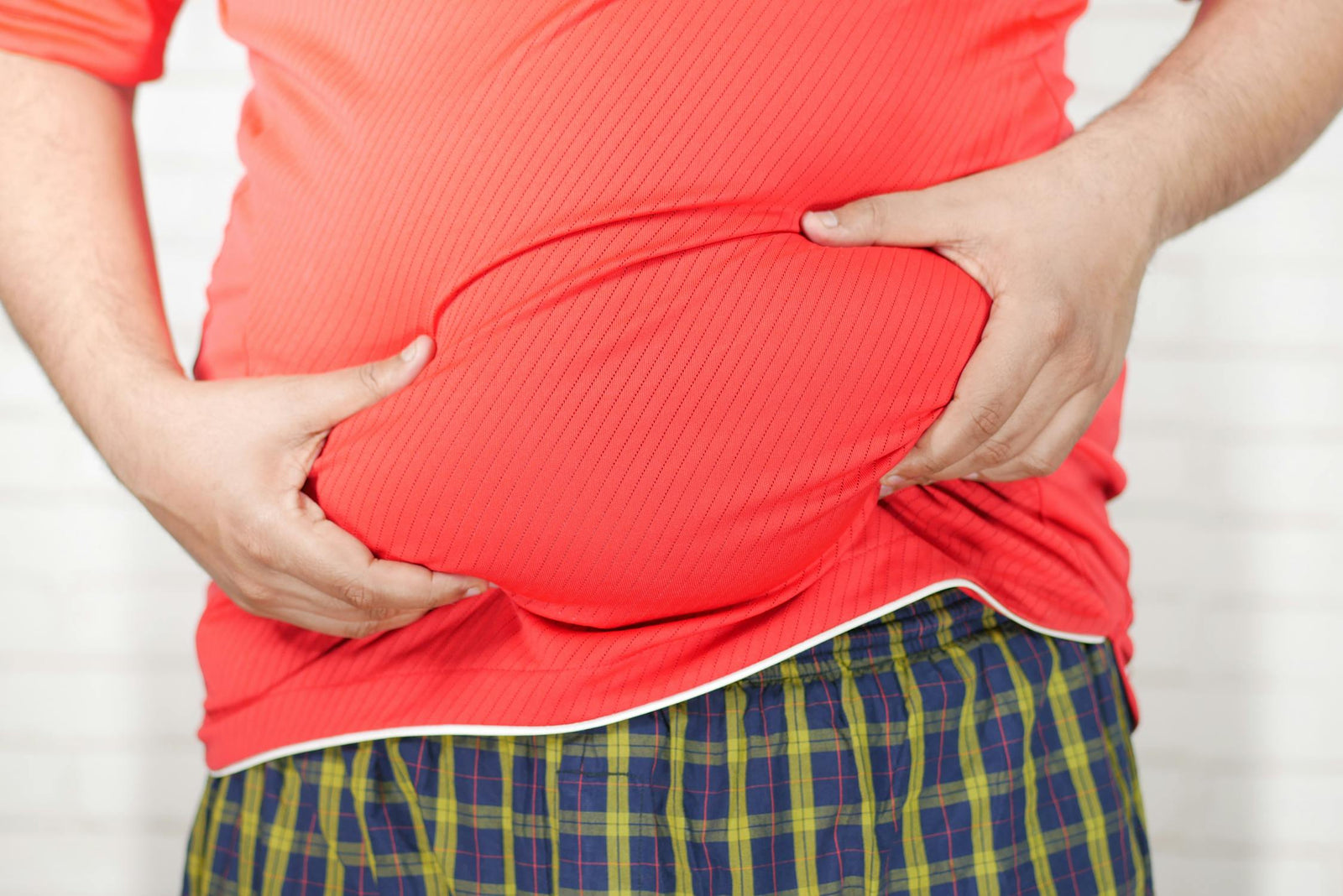
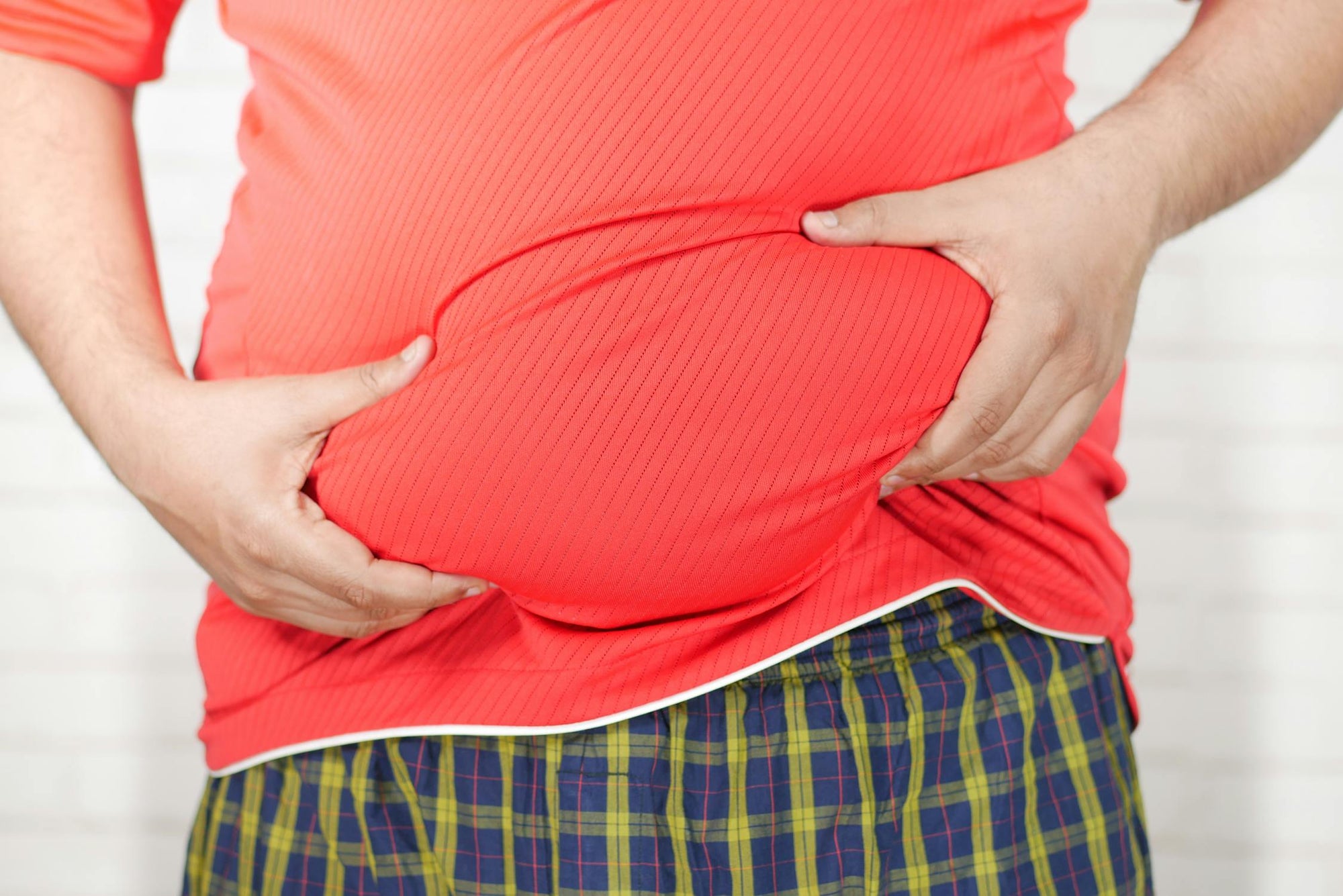
Reduce Bloating: How Superfoods Can Aid Digestive Comfort
Bloating, a common digestive issue, affects many individuals worldwide. Characterised by a feeling of fullness, tightness, or swelling in the abdomen, bloating can be both uncomfortable and distressing. While it's often a result of overeating or consuming certain foods that the body finds hard to digest, bloating can also be a symptom of various underlying health conditions. It's a physical discomfort that can also impact one's self-esteem and quality of life.
Read More


Green Smoothie Recipes: Incorporating Superfoods for a Health Boost
Green smoothies are more than just a health trend; they are a powerful way to enhance your daily nutrition and overall well-being. At the heart of these vibrant drinks are leafy greens – packed with essential vitamins, minerals, and fibre – blended into a convenient and delicious form. But what elevates a green smoothie from merely nutritious to a powerhouse of health? The answer lies in the incorporation of superfoods.
Read More
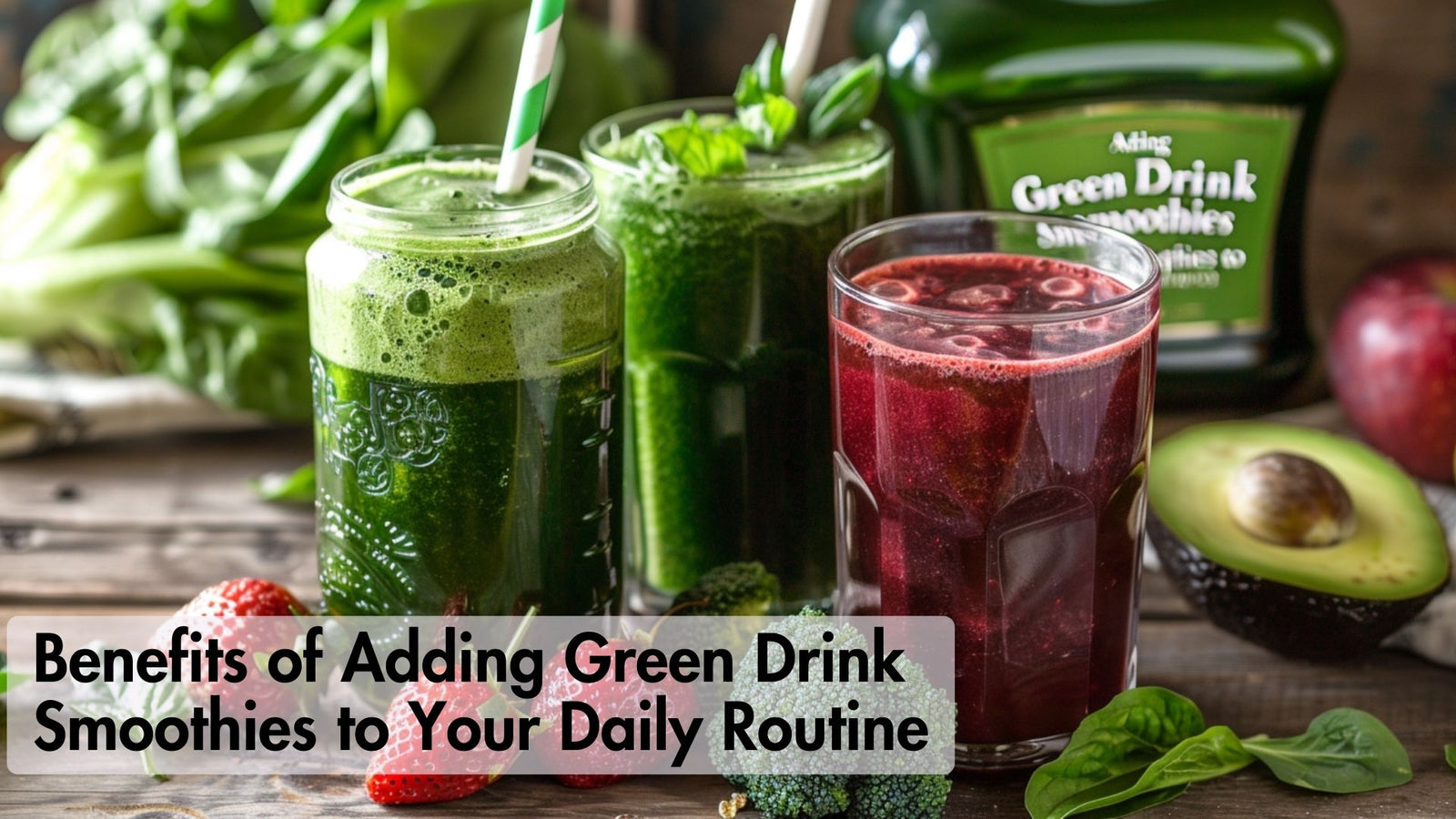
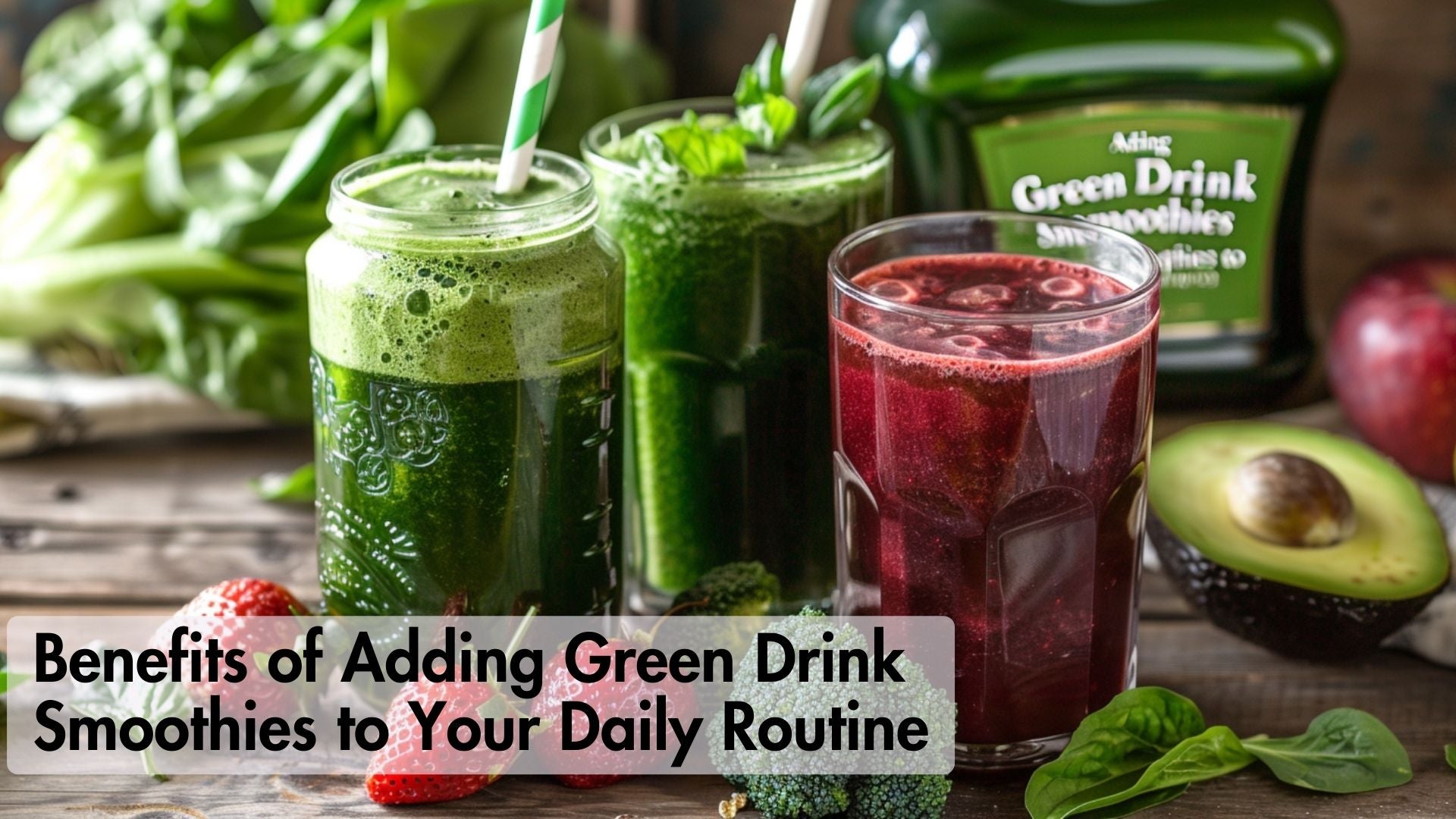
Discover the Benefits of Adding Green Drink Smoothies to Your Daily Routine
Discover the benefits of adding green drink smoothies to your daily routine. Enhance your health and well-being with nutrient-rich beverages that improve digestion, boost energy levels, and support weight management. Start your journey to better health with Lean Greens today.
Read More