Discover Natural Remedies for Bloating Relief
Bloating is a big problem for many people around the world. It makes life hard and uncomfortable. Did you know that almost 1 in 5 people in the UK get bloated a lot? This is often because of gas, digestion problems, or not being able to digest certain foods.
We get how upsetting bloating can be. That's why we're here to help you understand and fix this issue. We'll look at bloating relief using natural ways. This will help you feel better and more confident every day.
Key Takeaways
- Understanding the causes of bloating is key to feeling better.
- Natural remedies can really help with bloating.
- Certain supplements can also help with bloating relief.
- Changing what you eat is important for managing bloating.
- Finding out and avoiding foods you can't digest can also help a lot.
Understanding Bloating: Causes and Symptoms
Bloating is common and can be caused by many things. This includes what we eat and our health. Knowing what causes it and its symptoms is key to managing it.
Common causes of bloating
Bloating can come from swallowing air, eating certain foods, and health issues. Eating fast or drinking fizzy drinks can make us swallow air. Foods like beans and cabbage can also cause gas. Health problems like IBS can play a big part too.
Here are some common causes:
- Eating foods that are hard to digest
- Swallowing air while eating or drinking
- Digestive issues, such as IBS or gastroparesis
- Hormonal changes during the menstrual cycle or menopause
Recognising the symptoms
Symptoms of bloating include feeling full, uncomfortable, and seeing your belly swell. You might also feel gas, belch a lot, or have pain in your belly. If these symptoms don't go away, it's important to find out why.
When to seek medical advice
While some bloating is normal, if it's bad or lasts a long time, you should see a doctor. Severe pain, vomiting, or bloody stools are signs to get help right away. For milder cases, keeping a food diary can help find out what's causing it. You can learn more about managing bloating on the NHS website.
| Symptom | Possible Cause | Action |
|---|---|---|
| Mild bloating after eating | Food intolerance or swallowing air | Keep a food diary to identify triggers |
| Severe abdominal pain | Underlying condition like IBS or appendicitis | Seek medical advice |
| Bloating accompanied by vomiting | Possible gastrointestinal obstruction | Seek immediate medical attention |
The Role of Diet in Bloating Relief
Diet is key in managing bloating. Choosing the right foods can help a lot. We look at how some foods cause bloating and how a balanced diet can help.
Foods that May Cause Bloating
Some foods can make you feel bloated because they're hard to digest. Beans, cabbage, and dairy are common culprits. They make gas in your tummy, leading to bloating.
Knowing these foods can help you avoid them. Or, find ways to make them easier to digest. Soaking beans before cooking can help.
Beneficial Foods for Digestion
Foods high in fibre and water are good for your digestion. Cucumbers, bananas, and avocados are great. They're not just tasty, but also good for your tummy.
Eating whole foods like fruits, veggies, and grains is also good. They keep your gut balanced and reduce bloating. Eating foods of different colours means you get lots of nutrients.
| Food | Benefits |
|---|---|
| Cucumbers | High water content, aids hydration and digestion |
| Bananas | Rich in potassium, easy to digest |
| Avocados | High in healthy fats, supports digestive health |
Importance of Hydration
Drinking enough water is vital for your digestive health. It helps your body use nutrients and fibre better.
Water also stops constipation, which can cause bloating. Drink at least eight glasses a day. Adjust this based on how active you are and where you live.
By choosing the right foods and drinking plenty of water, you can cut down on bloating. These habits can make you feel better and live healthier.
Herbal Remedies for Bloating
For ages, herbal remedies have helped with digestion problems like bloating. We can use nature's power to feel better. Herbal remedies are a natural way to handle bloating.
Peppermint Tea Benefits
Peppermint tea is well-known for its digestive help. The menthol in it relaxes stomach muscles. This makes bloating and discomfort go away. Drinking peppermint tea after eating helps with digestion and eases bloating.
Key benefits of peppermint tea include:
- Relaxes stomach muscles
- Reduces bloating and discomfort
- Aids digestion
Ginger and Its Digestive Properties
Ginger has been used for ages in medicine for digestion. It has compounds like gingerol that help digestion and reduce gut inflammation. Ginger tea, capsules, or in meals can ease bloating.
Ginger's benefits for digestion include:
- Stimulates digestion
- Reduces inflammation
- Relieves nausea and discomfort
Fennel Seeds: A Natural Solution
Fennel seeds are great for bloating. They have anethole that relaxes the digestive tract and cuts down gas. Chewing fennel seeds after meals or drinking fennel tea can quickly ease bloating.
Fennel seeds offer:
- Relaxation of the digestive tract
- Reduction in gas and bloating
- Improved digestion
Adding these herbal remedies to our daily life can help with bloating. Whether it's peppermint tea, ginger, or fennel seeds, nature gives us strong tools to fight digestive issues.
Probiotics: Friend or Foe?
Probiotics are often seen as a fix for digestive problems. But, their effect on bloating is complex. It's key to grasp their role in gut health and how they might affect bloating.
Gut Health and Probiotics
Probiotics are live microbes that help when taken in the right amounts. They help keep the gut healthy by changing the gut bacteria. This is important for digestion and avoiding bloating.
Key benefits of probiotics for gut health include:
- Enhancing digestion and absorption of nutrients
- Supporting the immune system
- Producing vitamins, such as vitamin K
- Maintaining the integrity of the gut lining
Best Probiotic Foods
Eating foods rich in probiotics can help your gut. Some top picks are:
- Yogurt, with live and active cultures
- Fermented vegetables like sauerkraut and kimchi
- Kefir, a fermented milk drink
- Miso and tempeh, fermented soybean products
Considerations Before Taking Supplements
While foods are great, supplements can also help. But, think about these points before taking them:
- The specific strain of probiotic and its known benefits
- The CFU (Colony-Forming Units) count to ensure potency
- Any possible allergens or sensitivities to ingredients
- Interactions with other medications or health conditions
Remember, probiotics might help some with bloating but not all. Always talk to a healthcare expert before starting any supplements.
The Power of Essential Oils
Essential oils are becoming a big help for bloating. They are natural and have been used for a long time. Studies show they can help with bloating too.

Relaxation with Lavender Oil
Lavender oil is great for calming down. It can help with bloating caused by stress. We can use it in many ways, like through smell or on the skin.
Lavender oil can also help with anxiety and sleep. But, we must use it carefully. Always mix it with another oil and test it first.
Digestive Comfort with Chamomile Oil
Chamomile oil is good for your stomach. It can make you feel better if you have bloating. You can drink it as tea or use it in the air.
Make sure to pick a good quality chamomile oil. Always be careful when using essential oils, as they can cause problems for some people.
Safely Using Essential Oils
Essential oils can help with bloating, but we must use them right. Always mix them with another oil before putting them on your skin. If you're pregnant or have health issues, talk to a doctor first.
| Essential Oil | Benefits for Bloating | Safety Precautions |
|---|---|---|
| Lavender Oil | Promotes relaxation, reduces stress-related bloating | Dilute with carrier oil, patch test |
| Chamomile Oil | Soothes digestive tract, reduces inflammatory bloating | Choose high-quality oil, use with caution |
Essential oils can help with bloating in a natural way. They can make you feel relaxed or help your stomach. They are a good choice for those looking for natural ways to feel better.
Lifestyle Changes to Reduce Bloating
Bloating can be lessened by managing stress, staying active, and eating mindfully. These changes can greatly reduce discomfort and boost digestive health.
The impact of stress on bloating
Stress can really affect our digestion, making bloating worse. When stressed, our body focuses on 'fight or flight', not digestion. This slows down digestion and causes bloating. To fight this, try meditation, deep breathing, or yoga.
Importance of regular exercise
Exercise is key in fighting bloating. It boosts digestion and eases stress. Even a short walk after eating helps. Aim for 30 minutes of moderate exercise daily to keep digestion smooth.
Tips for mindful eating
Mindful eating means listening to your body's hunger and fullness signals. Eat slowly and enjoy your food. This reduces air swallowing and bloating. Also, know which foods make you bloated and avoid them. Eat smaller meals, skip fizzy drinks, and chew well.
By making these lifestyle changes, you can manage bloating better. It's about finding a balance and making lasting changes for relief.
The Connection Between Food Intolerances and Bloating
Food intolerances often cause bloating but are not well-known. We will look at how some food intolerances lead to bloating. We will also talk about how to find and manage these issues.
Common Food Intolerances to Consider
Many food intolerances can make you feel bloated. These include:
- Lactose intolerance: Trouble digesting lactose, a sugar in milk and dairy.
- Fructose malabsorption: Hard time absorbing fructose, a sugar in fruits and some veggies.
- Gluten intolerance: Being sensitive to gluten, a protein in wheat, barley, and rye.
Finding out which food intolerance is causing your bloating can be hard. But, there are ways to figure it out.
How to Conduct an Elimination Diet
An elimination diet can help find out which foods are causing your bloating. Here's how to do it:
- Stop eating common trigger foods for 2-3 weeks.
- Watch if your symptoms get better.
- Start eating the foods you stopped again, one at a time. Note any bad reactions.
This method can show you which foods make you bloated.
Recognising Symptoms of Food Intolerance
Symptoms of food intolerance can vary. But, they often include:
- Bloating and gas
- Stomach pain or cramps
- Diarrhea or constipation
Keeping a food diary can help track your symptoms. It can also show patterns.
| Food Intolerance | Common Symptoms |
|---|---|
| Lactose Intolerance | Bloating, gas, diarrhea |
| Fructose Malabsorption | Bloating, stomach pain, diarrhea |
| Gluten Intolerance | Bloating, stomach pain, tiredness |
Understanding the link between food intolerances and bloating is a big step. You can manage your symptoms. This might mean doing an elimination diet or being more aware of how your body reacts to certain foods. There are natural remedies and lifestyle changes that can help reduce bloating.
Natural Supplements for Bloating Relief
Many natural supplements can help with bloating. It's good to know how they work and what benefits they offer.
Overview of Digestive Enzymes
Digestive enzymes break down food into smaller bits. This makes it easier for our bodies to use the nutrients. Taking digestive enzymes can help with bloating, mainly if we have trouble digesting food.
Lactase is an enzyme for breaking down lactose in milk. People with lactose intolerance find it helpful when eating dairy.
The Benefits of Activated Charcoal
Activated charcoal is known for its bloating relief. It absorbs gases in our stomach, making us feel less bloated. Some studies show it can help with bloating and gas.
But, activated charcoal can affect how some medicines work. So, talk to a doctor before using it.
Other Helpful Natural Supplements
Other supplements can also help with bloating. For example, probiotics keep our gut healthy. This is key for good digestion and less bloating.
- Probiotics: Good bacteria for our gut.
- Ginger: It's anti-inflammatory and helps our digestion.
- Fennel seeds: They can cut down gas and bloating.
While these supplements can help, use them carefully. Always check with a doctor before starting any new supplement. This makes sure it's safe for you.
When to Consult a Healthcare Professional
Natural remedies can help with bloating. But sometimes, you need to see a doctor. Bloating might mean there's something else going on that needs a doctor's check.
Symptoms that require medical attention
Some symptoms with bloating mean you should see a doctor right away. These include:
- Severe abdominal pain
- Vomiting
- Blood in the stool
- Significant changes in bowel habits
If you have these symptoms, get help fast. Ignoring them could cause bigger problems.
The value of personalised dietary advice
A doctor can give you diet advice that fits you. They can spot foods you might not be able to eat well.
They know your health history and symptoms. They can suggest the best holistic bloating treatments or natural medication for bloating for you.
Importance of managing chronic bloating
Chronic bloating is not just a nuisance. It can mean there's something serious going on. To manage it, you might need to change your diet and lifestyle.
Seeing a healthcare professional can help you make a plan. This can make your life better.
In short, natural remedies and holistic treatments are good. But knowing when to see a doctor is key for your health.
Conclusion: Choosing the Best Natural Medication for Bloating
We've looked at many natural ways to fight bloating. We talked about changing what you eat and using herbs and oils. There are lots of choices out there.
Effective Remedies for Bloating Relief
Peppermint tea, ginger, and fennel seeds are good for your stomach. Probiotics and digestive enzymes help your gut too. Stress less and exercise more to feel better.
Lifestyle Adjustments for a Healthier You
Small changes in your day can help a lot. Eat mindfully, drink water, and watch for foods you don't like. These steps can make you feel better.
Try these natural ways to help your stomach. Make smart choices for a happier, healthier you.
FAQ
What are the most common causes of bloating?
Bloating can come from eating certain foods, swallowing air, or digestive issues. We explain these in our section on understanding bloating.
How can I alleviate bloating through diet?
Changing your diet can help a lot. Avoid foods that make gas and eat foods that help digestion. Drinking plenty of water also helps.
Are there any herbal remedies that can help with bloating?
Yes, herbal remedies like peppermint tea, ginger, and fennel seeds can help. They soothe your stomach and reduce discomfort.
Can probiotics help with bloating?
Probiotics can make your gut health better and help with bloating. Eating probiotic-rich foods or taking supplements is good. But, choose the right type and quality.
How can essential oils be used for bloating relief?
Essential oils like lavender and chamomile can help by relaxing you and easing digestion. But, use them safely and correctly to avoid harm.
What lifestyle changes can help reduce bloating?
Reducing stress, exercising regularly, and eating mindfully can help. These changes improve your digestive health and overall well-being.
How do I know if I have a food intolerance that's causing my bloating?
To find out, look for symptoms and try an elimination diet. Common ones are lactose and gluten intolerance. Our section on food intolerances and bloating has more info.
Are there any natural supplements that can help with bloating?
Yes, natural supplements like digestive enzymes and activated charcoal can help. They support your digestive health and reduce symptoms.
When should I consult a healthcare professional about my bloating?
See a doctor if your bloating is severe, lasts a long time, or if you have other symptoms. They can give you advice and help with any underlying issues.
What are some holistic bloating treatments I can try?
Holistic treatments include changing your diet, using herbal remedies, probiotics, and making lifestyle changes. Trying these can help you feel better and improve your digestion.
Can organic bloating remedies make a difference?
Yes, organic options like organic teas or supplements can be good. They might reduce exposure to harmful chemicals, helping your health.
How can I find the best natural bloating remedies for my stomach issues?
To find the right remedy, understand your symptoms and try different things. Our article gives a detailed look at natural remedies and lifestyle changes that can help.


Reduce Bloating: How Superfoods Can Aid Digestive Comfort
Bloating, a common digestive issue, affects many individuals worldwide. Characterised by a feeling of fullness, tightness, or swelling in the abdomen, bloating can be both uncomfortable and distressing. While it's often a result of overeating or consuming certain foods that the body finds hard to digest, bloating can also be a symptom of various underlying health conditions. It's a physical discomfort that can also impact one's self-esteem and quality of life.
Read More
Green Smoothie Recipes: Incorporating Superfoods for a Health Boost
Green smoothies are more than just a health trend; they are a powerful way to enhance your daily nutrition and overall well-being. At the heart of these vibrant drinks are leafy greens – packed with essential vitamins, minerals, and fibre – blended into a convenient and delicious form. But what elevates a green smoothie from merely nutritious to a powerhouse of health? The answer lies in the incorporation of superfoods.
Read More
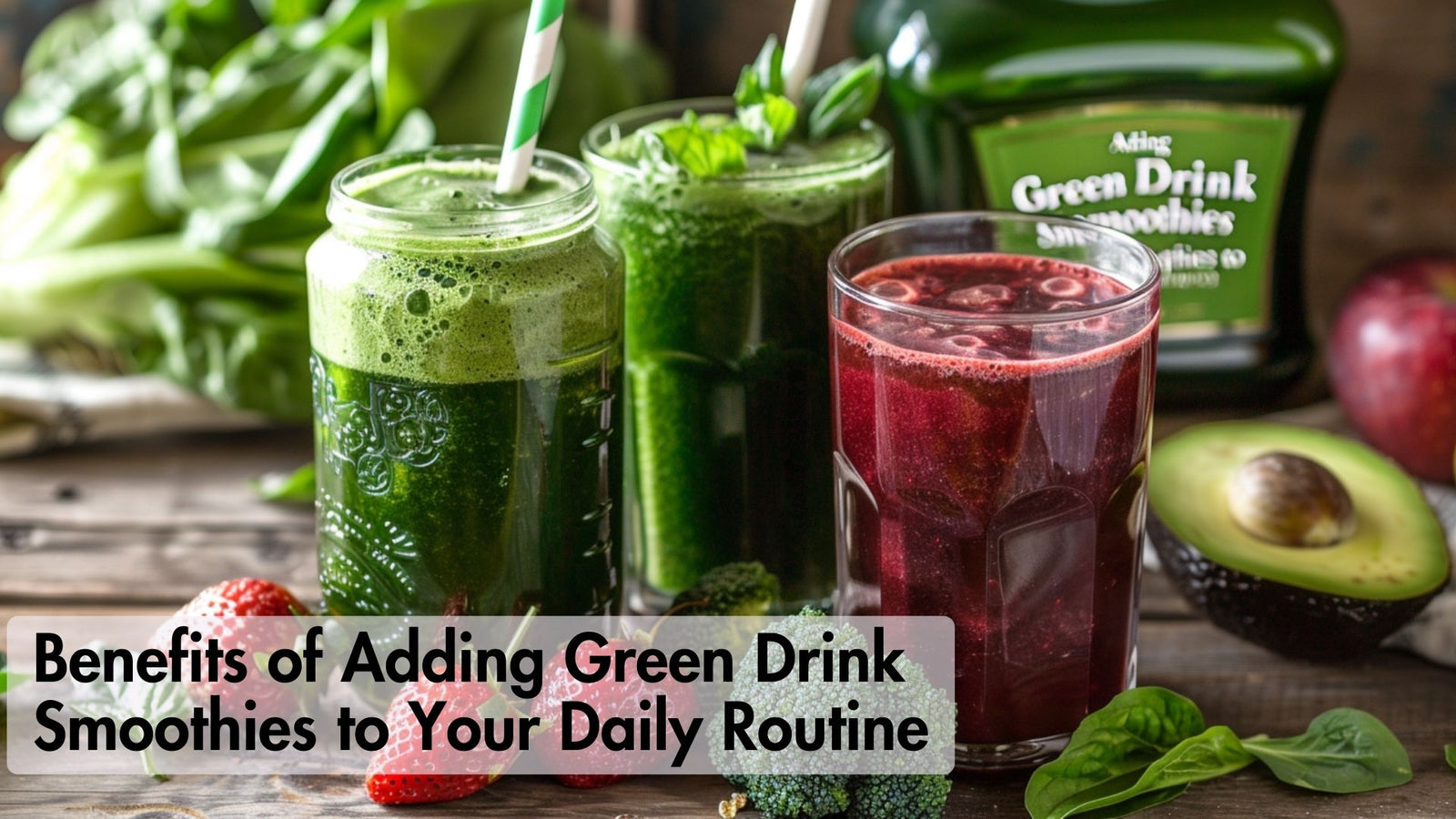
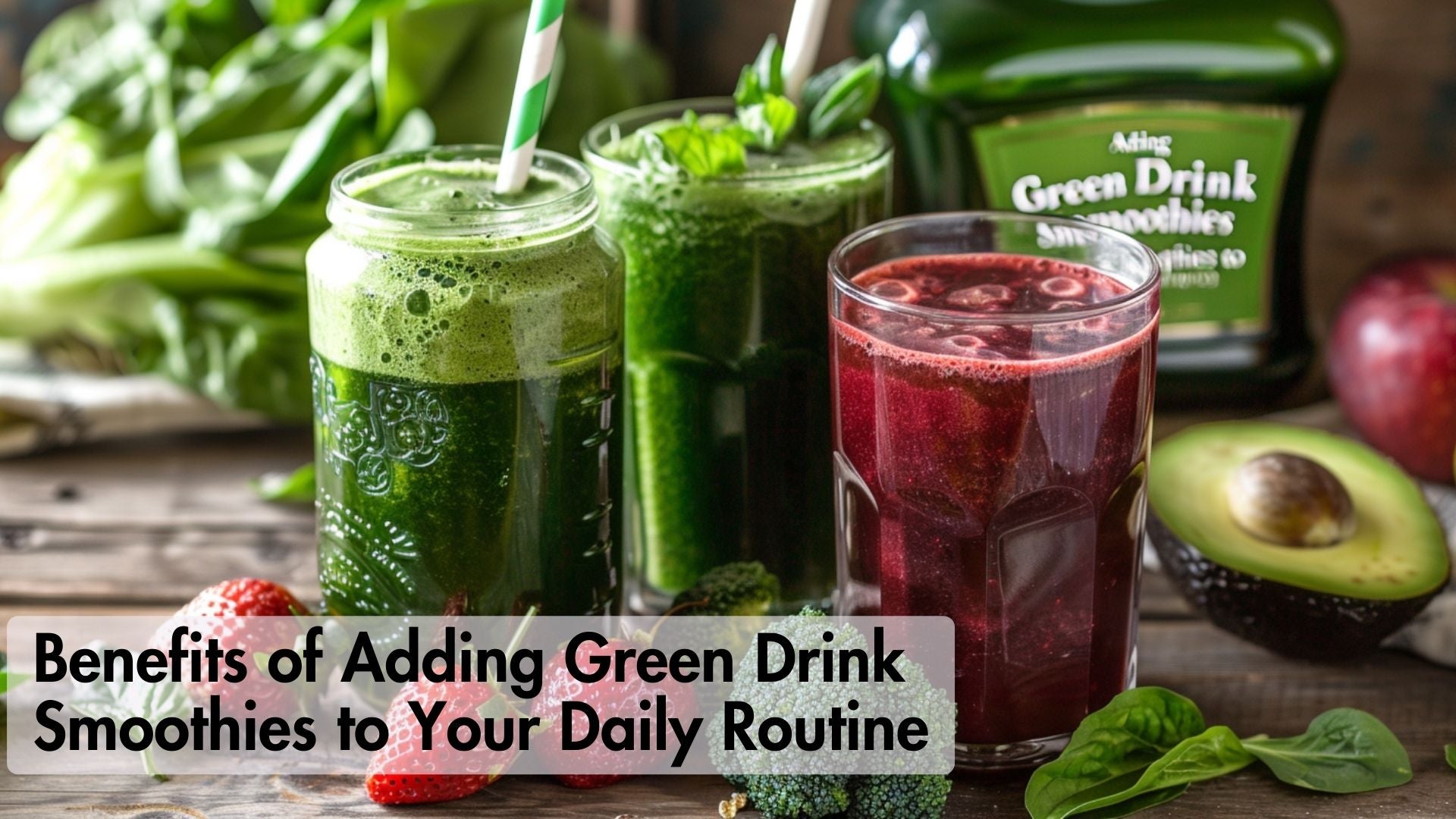
Discover the Benefits of Adding Green Drink Smoothies to Your Daily Routine
Discover the benefits of adding green drink smoothies to your daily routine. Enhance your health and well-being with nutrient-rich beverages that improve digestion, boost energy levels, and support weight management. Start your journey to better health with Lean Greens today.
Read More