Constant Bloating? Discover the Causes and Solutions for Relief
Did you know nearly 30% of the UK feels bloated at times? Constant bloating is more than a minor issue. It can really affect your life, from how much you eat to how you feel.
Bloating makes your tummy feel full or tight. It can also make it look bigger. Persistent bloating is really annoying. So, finding out why it happens and how to stop it is key.
By knowing what causes bloating causes, we can start to feel better. In this article, we'll look at why bloating happens. We'll also share ways to make you feel more comfortable and confident again.
Key Takeaways
- Understand the prevalence and impact of constant bloating on daily life.
- Learn about the common causes of bloating and how to identify them.
- Discover practical dietary changes to alleviate bloating symptoms.
- Explore lifestyle adjustments that can help reduce bloating.
- Find out when to seek medical advice for persistent bloating issues.
Understanding Bloating: What Is It?
Bloating is a common problem that makes many people feel uncomfortable. It makes the tummy feel full or tight. It also brings other not-so-nice feelings.
Definition of Bloating
Bloating means your tummy feels tight and might look bigger. It can happen for a short time or keep coming back. Things like what you eat, how you live, and your health can cause it.
Common Symptoms
People with bloating might feel:
- A feeling of fullness or discomfort in the abdomen
- Abdominal pain or cramps
- Rumbling or gurgling noises
- Excessive farting
- Visible swelling or distension of the abdomen
Health experts say bloating can make you feel full or hurt. It can also make noises or make you fart a lot. Knowing these signs helps find what's causing it and how to feel better.
When to Seek Medical Advice
While some bloating is okay, too much or lasting bloating might mean something's wrong. See a doctor if you have:
- Severe abdominal pain
- Vomiting or blood in the stool
- Significant changes in bowel habits
- Unexplained weight loss
Talking to a doctor can help find out why you're bloating. They can also help you find ways to feel better. Knowing what causes bloating and its symptoms is the first step to feeling better.
Common Causes of Bloating
We've found out what makes bloating happen. Knowing these reasons helps us feel better.
Dietary Factors
What we eat affects our bloating. Foods high in salt, sugar, and bad fats can make us retain water and feel gassy. Processed foods are bad because they have these things.
How we eat also matters. Eating fast, not chewing well, and drinking fizzy drinks can make us swallow air. This air can make us feel bloated.
Food Intolerances and Allergies
Some people can't digest certain foods, leading to bloating. For example, lactose intolerance makes it hard to digest milk sugar. Gluten sensitivity makes people feel bloated because of wheat, barley, and rye.
"Food intolerances can cause a range of symptoms, including bloating, abdominal pain, and gas."
Gastrointestinal Disorders
Some stomach problems, like irritable bowel syndrome (IBS), cause bloating. IBS brings chronic pain, bloating, and bowel changes. Gastroparesis, when the stomach empties slowly, also leads to severe bloating.
If bloating doesn't go away, see a doctor. They can check for serious issues.
The Role of Diet in Bloating
Diet is key in managing bloating. Making smart food choices can help a lot. We'll look at foods that cause bloating and healthy swaps to ease discomfort.
Foods That Cause Bloating
Some foods are high in fibre or have sugars that are hard to digest. Beans, cabbage, broccoli, and fizzy drinks are common culprits. They make gas in your belly, leading to bloating.
Knowing which foods make you bloated helps plan a better diet. Everyone's body reacts differently to food. So, what bothers one person might not affect another.
You may find a supplement containing digestive enzymes, like Lean Greens beneficial to help you body naturally break down the foods you consume.
Healthy Alternatives
There are many good foods to replace the bloating ones. Low-FODMAP fruits like bananas or berries are better than apples or pears. Gluten-free products are also a good choice for those sensitive to gluten.
| Food Category | Bloating-Causing Foods | Healthy Alternatives |
|---|---|---|
| Fruits | Apples, Pears | Bananas, Berries |
| Vegetables | Cabbage, Broccoli | Carrots, Cucumbers |
| Beverages | Carbonated Drinks | Herbal Teas, Water |
Importance of Hydration
Drinking lots of water is vital for your belly's health. It helps digest food and stops constipation, which can cause bloating. Aim for eight glasses of water a day and eat hydrating foods like cucumbers and celery.
Eating smaller meals often helps too. It makes your belly work less hard. A balanced diet and enough water can greatly reduce bloating relief and boost your digestion.
Lifestyle Factors Contributing to Bloating
Some lifestyle choices can make us more likely to feel bloated. Our daily habits are important. They can help us avoid feeling bloated.
Stress and Anxiety
Stress and anxiety can hurt our stomachs. When we're stressed, our body focuses on being ready to fight or run. This means less blood for our stomach, which can slow down digestion and cause bloating.
Relaxing with meditation or deep breathing can help.
"Chronic stress can make digestive problems worse, like bloating, by messing with how our stomach works."
Sedentary Lifestyle
Not moving enough can make us feel bloated. Exercise helps our stomach work better and gets rid of gas. Doing yoga or short walks every day can help a lot.
Sitting too much can slow down our digestion. This makes us feel uncomfortable.
| Lifestyle Change | Impact on Bloating |
|---|---|
| Increased Physical Activity | Reduces symptoms of bloating by stimulating digestion |
| Stress Management Techniques | Helps in reducing stress-related bloating |
| Adequate Sleep | Improves overall digestive health, reducing bloating |
Lack of Sleep
Not sleeping enough can mess with our stomach. We need enough sleep to keep our digestion healthy. Try to sleep 7-8 hours each night.
Changing our lifestyle can help us feel better. It's about choosing to live better.
Identifying Food Intolerances
For many, bloating is more than a minor issue. It's a sign of a food intolerance that needs fixing. Food intolerances like lactose and gluten can cause bloating. Finding out what's causing it is key to feeling better.

Lactose Intolerance
Lactose intolerance happens when you can't digest lactose in milk and dairy. This is because you lack the enzyme lactase. Symptoms include bloating, gas, and feeling uncomfortable after eating these foods. Try a lactose intolerance test or eat less dairy to see if it helps.
Gluten Sensitivity
Gluten sensitivity, or NCGS, makes you feel like celiac disease but without the damage. It causes bloating, pain, and tiredness after eating gluten. Watch how your body reacts to gluten and try an elimination diet.
How to Conduct an Elimination Diet
An elimination diet helps find out what foods you're intolerant to. Here's how to do it:
- Stop eating common problem foods like dairy, gluten, soy, and eggs for 2-3 weeks.
- Keep an eye on how you feel during this time.
- Start adding foods back one at a time to see if symptoms return.
- Write down everything you eat and how you feel to spot patterns.
This method is tough but very helpful. It lets you find out what foods make you bloated. By knowing your triggers, you can make big changes to feel better and have better digestion.
Diagnostic Tests for Bloating
Diagnostic tests are key in finding out why we get bloated. They help doctors make plans to fix the problem. If we keep getting bloated, these tests find what's wrong.
Breath Tests
Breath tests check for things like lactose intolerance and SIBO. We drink a special drink, then our breath is checked. If it shows certain gases, it means our body can't digest well.
A hydrogen breath test finds SIBO. It checks our breath after we drink a sugar solution. This is important because SIBO can make us very uncomfortable.
Endoscopy and Imaging
Endoscopy uses a camera tube to look inside our stomach and intestines. It can spot problems like ulcers or tumors that cause bloating.
Imaging tests like CT scans or X-rays look at our organs. They can find blockages or other problems that cause bloating.
Stool Tests
Stool tests check for infections or balance in our gut. They look at a stool sample to find out what's wrong.
For example, they can find Helicobacter pylori bacteria that cause ulcers and bloating. Knowing what's in our gut helps doctors treat bloating better.
| Diagnostic Test | Purpose | Conditions Diagnosed |
|---|---|---|
| Breath Tests | Measures gases in breath after consuming a substance | Lactose intolerance, Fructose malabsorption, SIBO |
| Endoscopy | Visually examines the digestive tract | Ulcers, Inflammation, Tumors |
| Stool Tests | Analyzes stool for pathogens or imbalances | Gastrointestinal infections, Gut microbiota imbalance |
These tests help doctors understand and treat bloating. They can suggest changes in diet, stress management, or treatments for underlying issues. Finding the cause is the first step to feeling better.
Effective Home Remedies for Bloating
Feeling bloated can be really uncomfortable. But, there are home remedies that can help. You don't need to see a doctor to feel better. Simple changes at home can make a big difference.
Herbal Teas and Natural Supplements
Herbal teas like peppermint, chamomile, and ginger tea can soothe your stomach. Research shows peppermint oil capsules can ease IBS symptoms, including bloating. Probiotics can also help keep your gut healthy and reduce bloating.
Here are some top herbal teas for bloating:
- Peppermint tea
- Chamomile tea
- Ginger tea
- Fennel tea
Gentle Exercise and Stretching
Yoga and walking can help your digestion and ease bloating. Yoga poses like the 'wind-relieving pose' can also give quick relief.
| Exercise | Benefit |
|---|---|
| Yoga | Stimulates digestion, reduces stress |
| Walking | Improves gut motility, enhances overall digestion |
| Stretching | Relieves trapped gas, reduces discomfort |
Abdominal Massage Techniques
Abdominal massage can ease bloating by helping your digestive system. Use gentle, circular motions around your navel. This can help gas move through your system and feel better.
Adding these home remedies to your daily life can help with relief from bloating. You can try herbal teas, gentle exercise, or abdominal massage. There are many ways to feel better and improve your health.
When to Consult a Healthcare Professional
If you're feeling bloated a lot, it's important to know when to see a doctor. Bloating can mean there's something wrong that needs a doctor's help. We'll tell you when to go, who to see, and how to get ready for your visit.
Signs of Severe Bloating
Severe bloating can show in many ways. If you notice any of these, you should see a doctor:
- Severe stomach pain or cramps
- Vomiting or blood in your stool
- Significant weight loss
- Difficulty swallowing
- Bloating that lasts a long time or with other bad symptoms like fever or jaundice
These signs might mean something serious like a blockage, bowel disease, or cancer. If you have severe bloating and these symptoms, get medical help right away.
Specialists to Consider
You might need to see different doctors based on your symptoms. You could start with your GP. They might send you to:
- A gastroenterologist for digestive problems
- A dietitian for diet-related bloating
These experts can give you bloating treatment that fits you. This could be diet changes, medicine, or other treatments.
Preparing for Your Appointment
To get the most from your visit, be ready. Here's how:
- Keep a food diary to track what you eat and symptoms
- List all your medicines and supplements
- Write down your symptoms, when they started, and how long they last
- Make a list of questions for your doctor
Being ready means your doctor can help you better. They'll have all the info they need to fix your bloating symptoms.
Long-term Remedies and Lifestyle Changes
Managing bloating for the long term means making lifestyle changes. These changes help keep your digestive system healthy. By adopting simple habits, you can cut down on bloating and feel better overall.
Maintaining a Food Diary
Keeping a food diary is a great way to manage bloating. It helps you track what you eat and how you feel. This way, you can find out which foods make you bloated.
Write down everything you eat, including how much and when. This helps you spot patterns. Knowing this can help you make better food choices.
Personalised Nutrition Plans
Everyone's body is different, so what works for one might not work for another. We think it's best to have a diet plan made just for you. This could mean avoiding some foods or adding others that help your digestion.
Talking to a doctor or dietitian can help you make a plan that's right for you. They can guide you through the world of nutrition and bloating.
Regular Exercise Routines
Regular exercise is also key in managing bloating. It helps your body digest food better and can lessen bloating. Try mixing aerobic activities like walking or cycling with strength training.
It's important to find exercise you like. This way, you'll stick to it. Whether it's a walk at lunch or yoga at night, regular exercise can really help with bloating.
Conclusion: Finding Your Path to Relief
Understanding why you bloat can help a lot. Knowing what makes you uncomfortable is the first step. This can make your life more comfortable.
Key Takeaways for a Bloating-Free Life
We looked at why bloating happens. It's often because of what we eat, food we can't digest, and our lifestyle. Eating wisely and living healthily can help. Herbal teas and gentle exercise can also help you feel better.
Seeking Help for Persistent Bloating
If bloating is always a problem, get help. A doctor can find out why and help you feel better. They can make a plan just for you.
Empowering Yourself with Knowledge
Controlling your digestion can ease bloating. With the right information and support, you can solve this problem. This will make you feel more confident and comfortable.
FAQ
What is bloating and how does it affect daily life?
Bloating makes your tummy feel tight and uncomfortable. It can also make you feel bloated. This can make you feel embarrassed and stop you from doing things you love.
What are the common causes of bloating?
Bloating can be caused by what you eat, food you're allergic to, and health issues. Stress, not moving enough, and not sleeping well can also cause it. Foods like beans and cabbage can make it worse.
How can I identify food intolerances that cause bloating?
Try an elimination diet to find out. Remove foods you think might cause bloating and see if you feel better. Common culprits are lactose and gluten.
What diagnostic tests are available to determine the cause of bloating?
Tests like breath tests and endoscopy can find out why you're bloated. Imaging and stool tests can also help. They help doctors find health problems that might be causing it.
What are some effective home remedies for relieving bloating?
Herbal teas and natural supplements can help. Gentle exercise and massaging your tummy can also ease bloating. Drinking lots of water is good too.
When should I seek medical attention for bloating?
See a doctor if bloating is really bad, hurts, or if you vomit or see blood. If you're worried, it's best to talk to a doctor.
What lifestyle changes can help manage bloating in the long term?
Keeping a food diary and eating right can help. Regular exercise is also key. These changes can make bloating less often and keep your gut healthy.
How can stress and anxiety contribute to bloating?
Stress can slow down digestion, making you feel bloated. Relaxing with meditation or deep breathing can help.
Are there any specific foods that can help alleviate bloating?
Yes, bananas, avocados, and ginger can help. Eating these and drinking water can make you feel better.
Can excessive bloating be a sign of an underlying medical condition?
Yes, it could mean you have a health problem like IBS or gastroparesis. If bloating is bad, see a doctor to check for other issues.
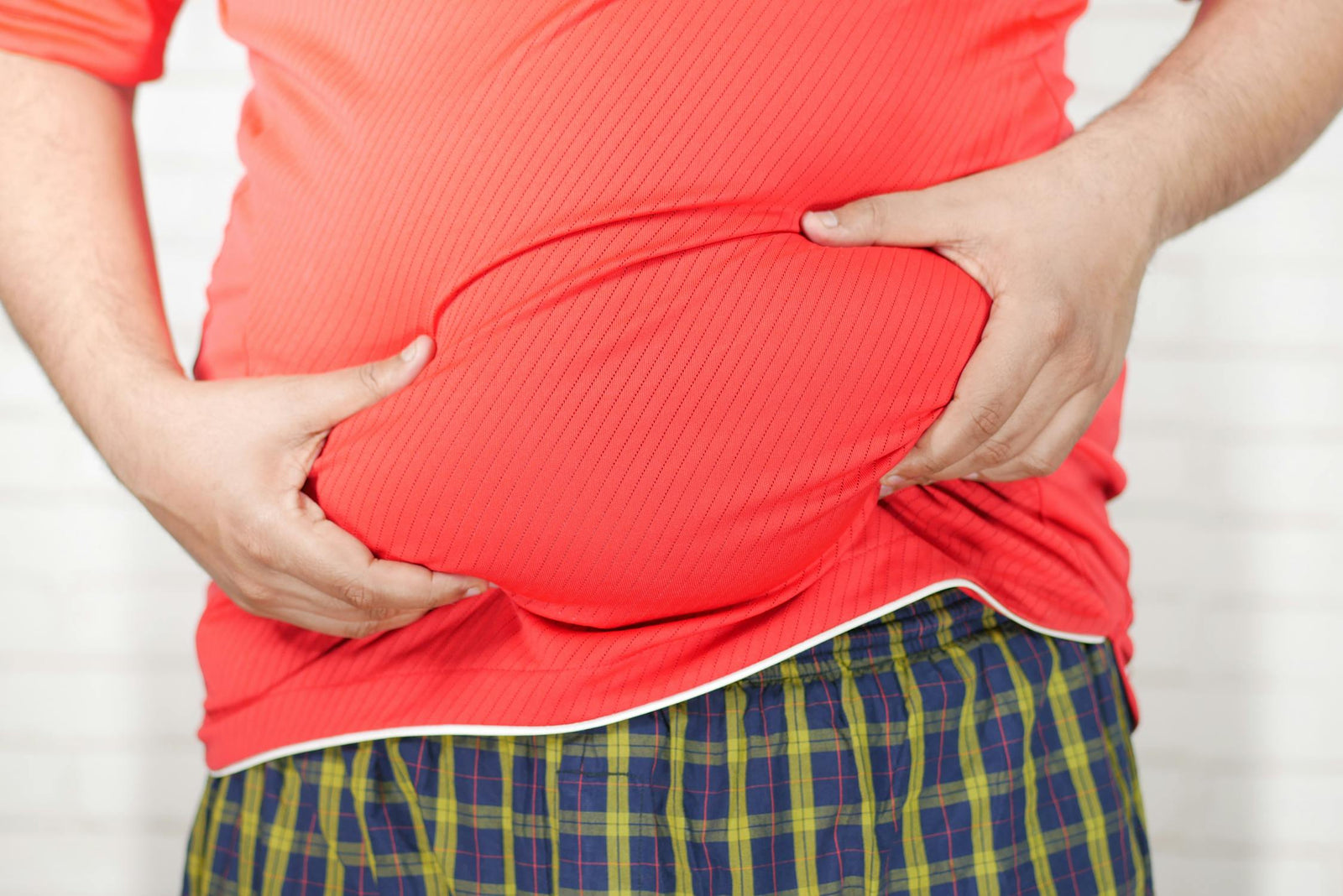
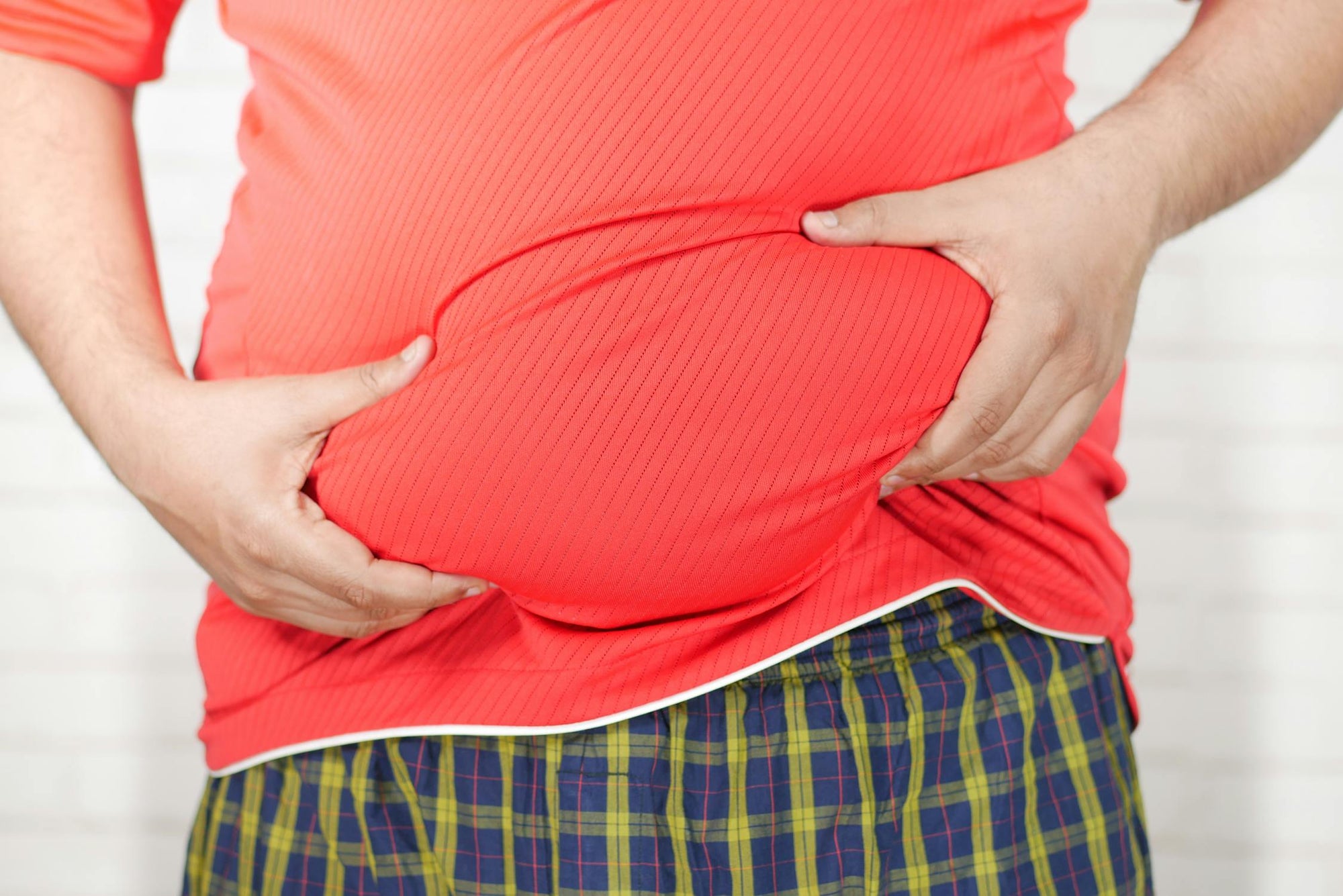
Reduce Bloating: How Superfoods Can Aid Digestive Comfort
Bloating, a common digestive issue, affects many individuals worldwide. Characterised by a feeling of fullness, tightness, or swelling in the abdomen, bloating can be both uncomfortable and distressing. While it's often a result of overeating or consuming certain foods that the body finds hard to digest, bloating can also be a symptom of various underlying health conditions. It's a physical discomfort that can also impact one's self-esteem and quality of life.
Read More


Green Smoothie Recipes: Incorporating Superfoods for a Health Boost
Green smoothies are more than just a health trend; they are a powerful way to enhance your daily nutrition and overall well-being. At the heart of these vibrant drinks are leafy greens – packed with essential vitamins, minerals, and fibre – blended into a convenient and delicious form. But what elevates a green smoothie from merely nutritious to a powerhouse of health? The answer lies in the incorporation of superfoods.
Read More
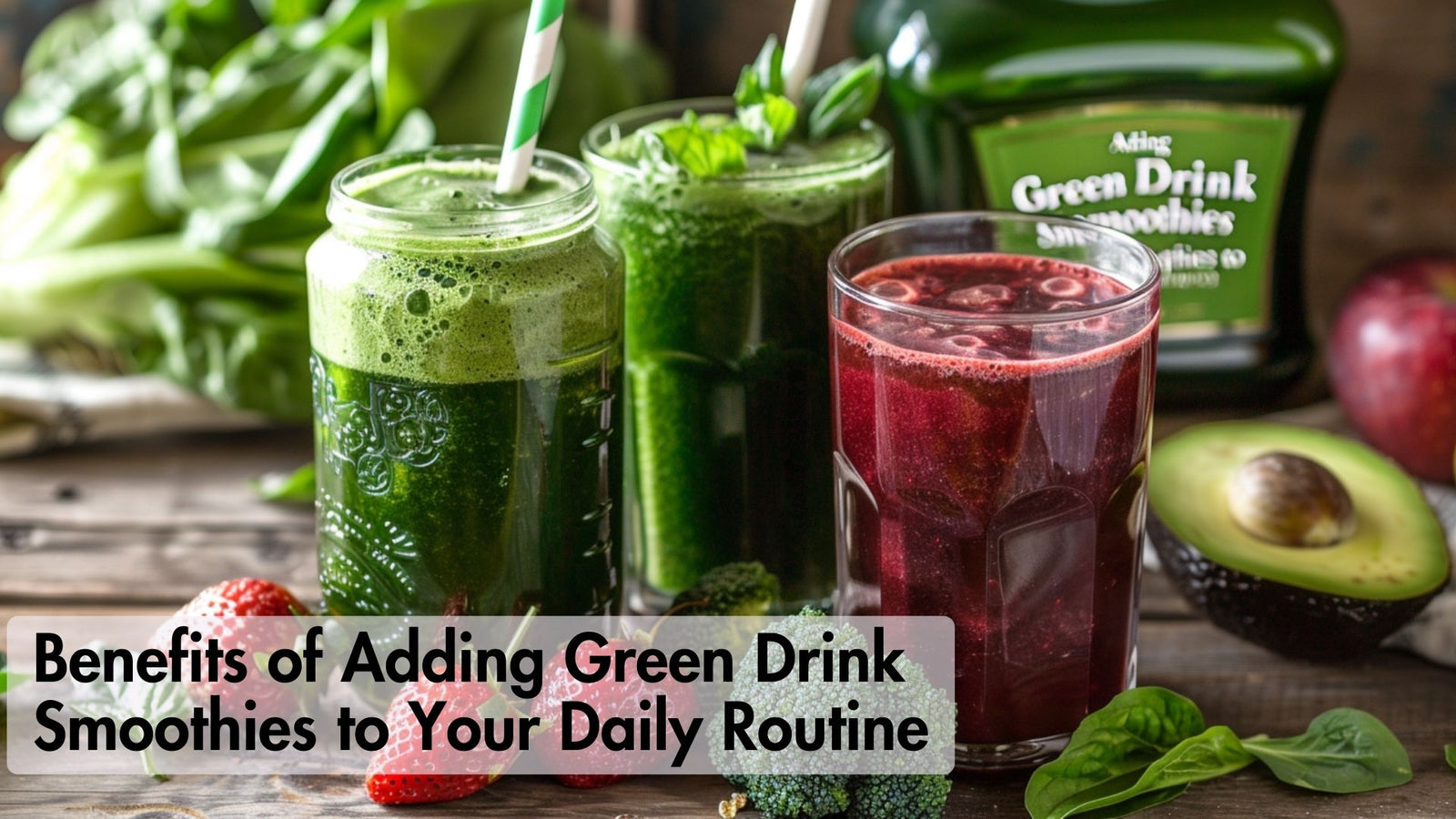
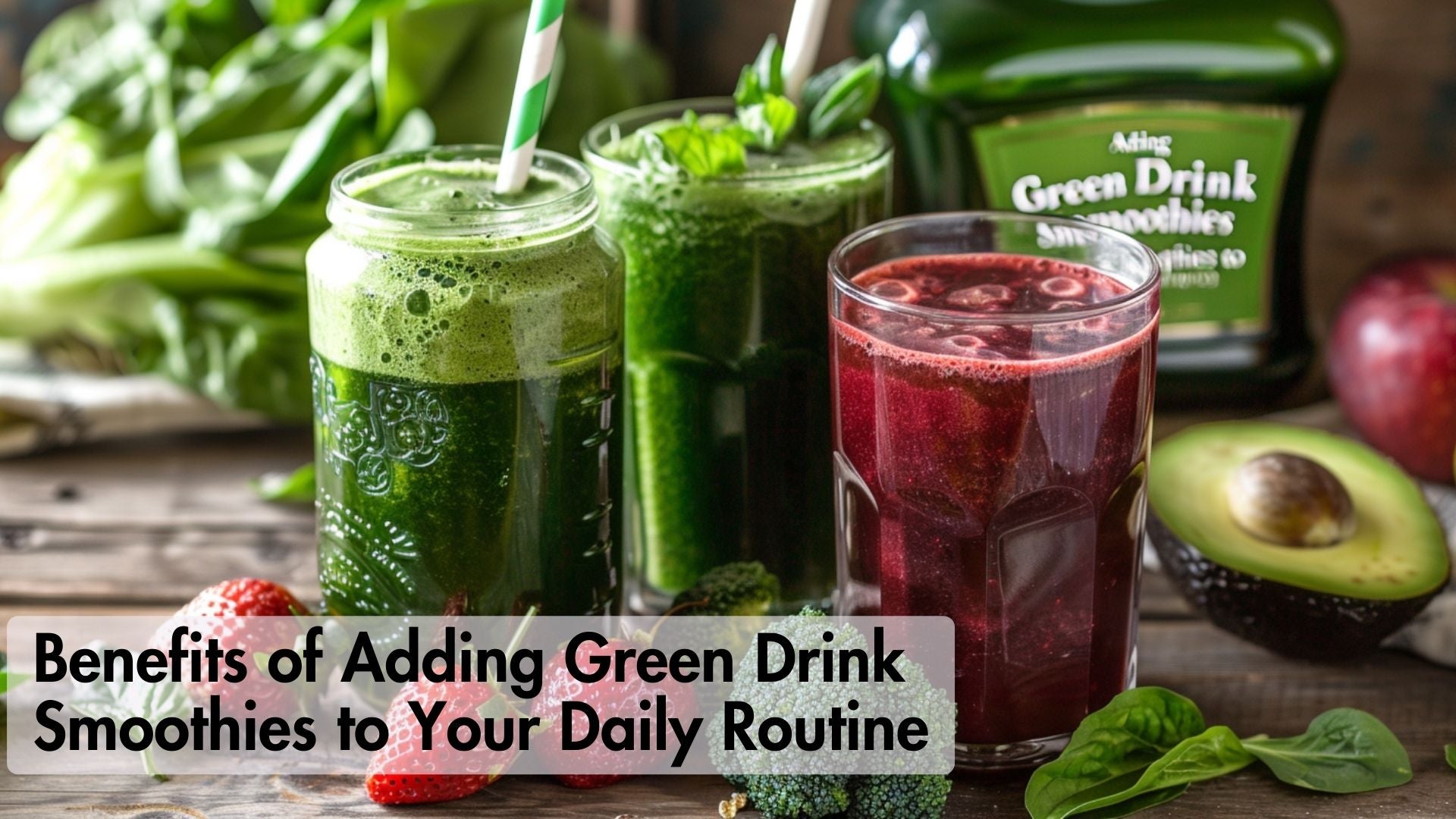
Discover the Benefits of Adding Green Drink Smoothies to Your Daily Routine
Discover the benefits of adding green drink smoothies to your daily routine. Enhance your health and well-being with nutrient-rich beverages that improve digestion, boost energy levels, and support weight management. Start your journey to better health with Lean Greens today.
Read More